
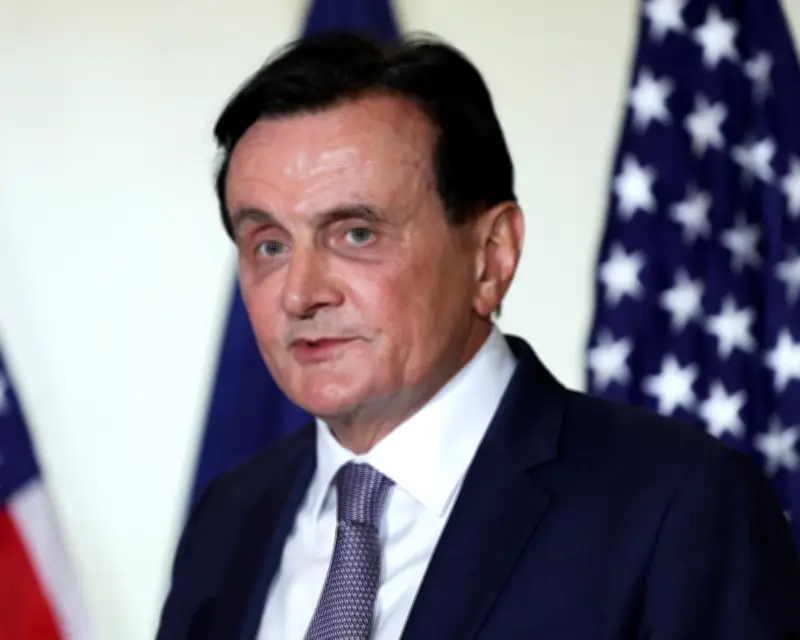
AstraZeneca's rumoured takeover of Bristol Myers Squibb (BMS) has collapsed, leaving shareholders and analysts questioning the company's strategic direction. The UK pharma giant's shares plunged 9% on Monday following a Financial Times report of preliminary talks to create a $400bn (£300bn) pharmaceutical colossus. By Wednesday, Reuters reported that no ongoing discussions remain, prompting a modest relief rally in AstraZeneca's share price.
Silence from both companies
Neither AstraZeneca nor BMS has officially commented on the talks, leaving investors in the dark about whether the discussions were a tentative exploration or a serious proposal that was abandoned due to shareholder resistance. The lack of transparency is unusual, given the scale of the potential deal, which would have been one of the largest in pharmaceutical history.
The proposed acquisition looked odd from the outset. Under chief executive Sir Pascal Soriot, AstraZeneca has thrived by focusing on internal research and development, avoiding debt-fuelled takeovers reliant on cost-cutting. Soriot has repeatedly expressed confidence in hitting the company's revenue target of $80bn by 2030, making a massive acquisition seem unnecessary.
Why the BMS target was questionable
BMS faces a significant revenue challenge in the coming years as its blockbuster cancer treatment, Revlimid, goes off patent. This would have made the acquisition even more risky, as AstraZeneca would have inherited BMS's patent cliff while integrating a massive new business. The potential for cost savings in oncology, where both companies are strong, might have been a factor, but it is unclear if that would have justified the price.
Another possible motive for Soriot could be to increase AstraZeneca's US presence. The US is the world's largest and most lucrative pharma market, and AstraZeneca currently generates 43% of its revenues there. A BMS acquisition would have boosted that share significantly, aligning with Soriot's ambition to grow in the US.
Shareholder concerns and the need for clarity
Most AstraZeneca shareholders assume the company avoids mega-deals that could jeopardise its balance sheet. The acquisition of rare diseases specialist Alexion in 2021 for $39bn was substantial, but it pales in comparison to BMS's $133bn market value. The Alexion deal was justified as a way to boost innovation, but a BMS takeover would have been a different beast entirely.
The worry is that Soriot, at 67 and likely in his final years as CEO, may be overly focused on the US market, potentially leading to strategic missteps. Alternatively, he might be considering how artificial intelligence is changing the pharmaceutical landscape, which could justify a transformative deal. However, without clear communication from Soriot, shareholders are left guessing.
Call for transparency
Nils Pratley, writing in the Guardian, argues that Soriot should explain whether mega-deals are part of AstraZeneca's future. While a strict 'no comment' policy on individual takeover rumours is understandable, shareholders deserve to know if the company's strategic stance has shifted. Soriot has always presented AstraZeneca as a company that does not need a transformative deal, but if he is open to the idea, investors should be informed.
The episode highlights the importance of corporate governance and transparency in major strategic decisions. As AstraZeneca moves forward, the market will be watching closely to see if Soriot addresses these concerns and clarifies his vision for the company's growth.




