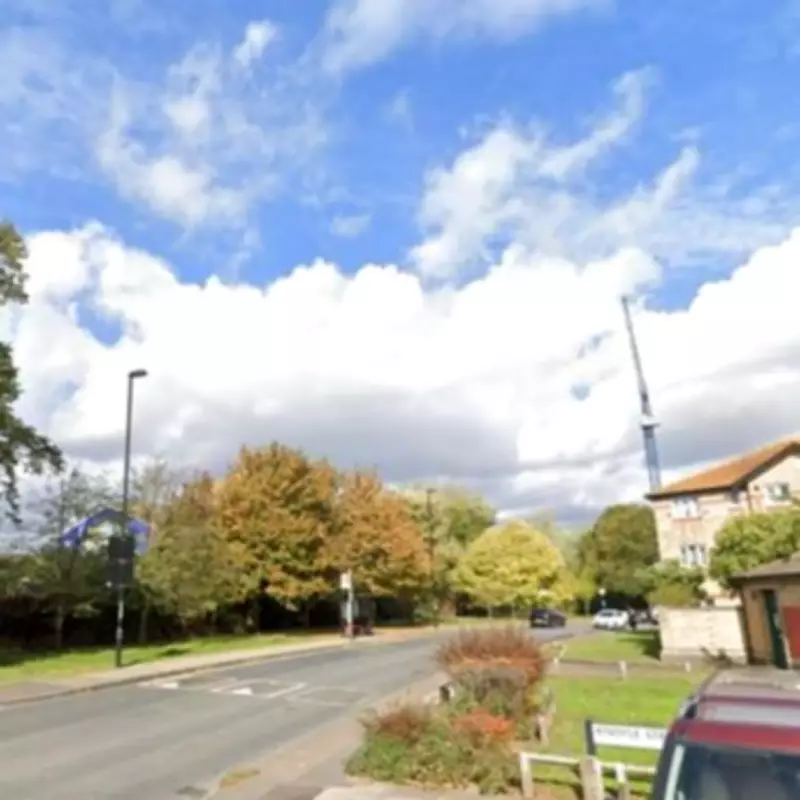
Lewisham Council Greenlights 20-Metre Telecommunications Mast in New Cross Neighborhood
Lewisham Council has granted approval for the installation of a 20-metre telecommunications mast in the New Cross area, despite facing significant opposition from local residents. The decision was made during a Planning Committee meeting on April 16, where over a dozen objections were formally presented but ultimately overruled.
Application Details and Resident Concerns
Cornerstone Telecommunications Infrastructure submitted a prior approval notification to Lewisham Council for the monopole structure, which will include six radio antennas and two transmission dishes. The mast is slated for land adjacent to Sandford Street in New Cross. Under current regulations, electronic communications networks operate under permitted development rights, meaning they do not require full planning consent. However, operators must notify the council and seek approval regarding the siting and appearance of such infrastructure.
The proposal triggered a total of 17 objections from concerned residents. Primary worries centered on potential health impacts and anxiety related to exposure to telecommunications equipment. Additionally, some residents argued that the area already possesses sufficient 5G or mobile coverage, questioning the necessity of the new mast.
Planning Committee's Limited Scope and Debate
During the committee meeting, a local resident passionately argued that the proposed 20-metre mast would be entirely "out of scale" with the residential neighborhood. The resident countered the applicant's comparison to standard street furniture, stating, "The applicant compares it to a lamppost; the lampposts here are 5 to 8 metres—this monopole is 20 metres. This applicant also cites a bus shelter and signposts as comparable street furniture. These are standard pieces found across the country, and they are not justification for a 20-metre telecommunications mast."
Council planning officers acknowledged that the mast would be a prominent feature in the street scene. Their report noted that the 20-metre structure would stand "well above" nearby street furniture and be clearly visible. However, they also indicated that existing trees would "soften" some views, and that the mast would integrate into an established highway corridor containing other functional roadside features like lighting and signage, rather than appearing as an isolated element.
Committee Decision and Rationale
Chair of the Planning Committee, Councillor Jack Lavery, emphasized the unique framework governing such applications. He stated, "I think it's worth pointing out that the application in front of us is quite different from applications we see at planning committees normally. We're operating in a very different framework, and while I recognise some of the concerns from residents here this evening, I don't see that there are any grounds for refusal on this in the narrow framework in which we need to make a decision."
Councillor Lavery proposed accepting the recommendations from council officers, which was seconded by Councillor John Meldoon. The plans were then unanimously voted through by the committee, with the applicant notably absent from the meeting. This approval underscores the council's limited authority to object to telecommunications infrastructure under permitted development rights, focusing solely on siting and appearance considerations rather than broader community concerns about health or necessity.