What Really Happens When Someone Dies on a Cruise Ship
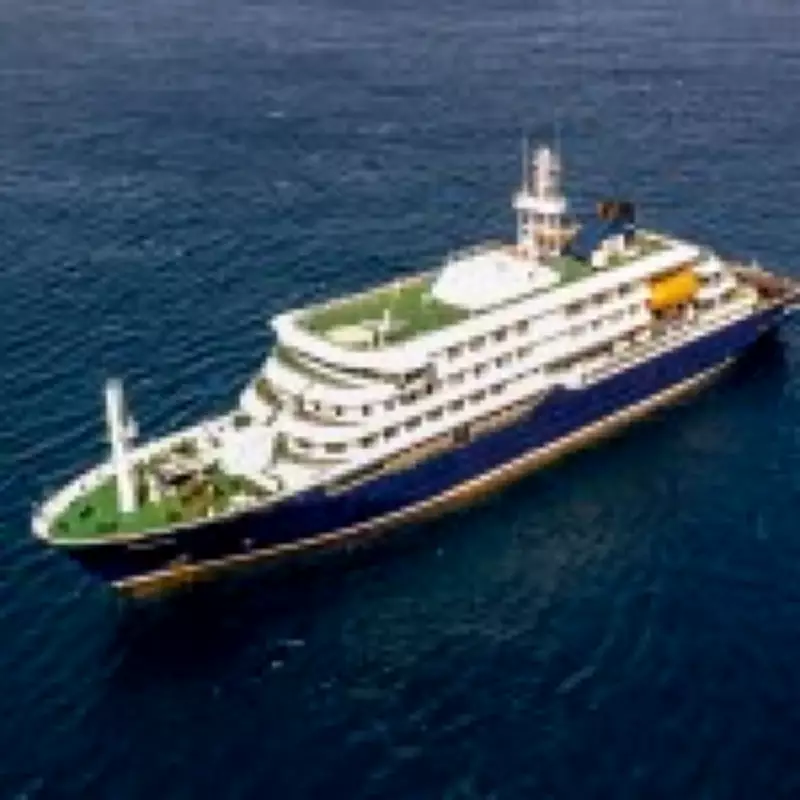
Cruise ships are designed for enjoyment, but they must also prepare for emergencies. Following a suspected hantavirus outbreak on the Oceanwide Expeditions MV Hondius, which resulted in three deaths, questions arise about protocols for deaths at sea.
Immediate Medical Response
When a passenger dies, the onboard doctor pronounces death after exhausting all medical efforts. The death is recorded in the ship's log and reported to the flag state. The doctor informs the passenger's travel companions or next of kin.
Zoe Adjey, Senior Lecturer at the University of East London, explains that staff receive training to handle these situations compassionately, offering emotional support to family members.

Onboard Morgue and Storage
Most major cruise liners have a morgue, typically on the lowest deck, with capacity for three to six bodies. Some ships also have a chapel for last rites. The body is stored until the ship docks at a suitable port.
Code Phrases for Emergencies
Crew members use code phrases to communicate discreetly. 'Operation Bright Star' indicates a medical emergency, while 'Operation Rising Star' signals a passenger death.
Financial Responsibility
Cruise lines do not cover costs associated with a passenger's death. Travel insurance is essential to cover repatriation and coordination with local authorities and consulates.
Statistics on Cruise Ship Deaths
According to the International Journal of Travel Medicine and Global Health, 623 deaths were reported at sea between 2000 and 2019. Of these, 89% were passengers and 11% were crew. Leading causes for passengers include falls overboard, cardiac incidents, and suicides. Carnival Cruise Lines reported the highest number of passenger deaths at 29%.