The UK government has pledged nearly £50 million to accelerate the rollout of flying taxis and commercial drones, with ministers targeting the first regular air taxi services as soon as 2028. The £46.5 million package, delivered through the Civil Aviation Authority (CAA), aims to cut regulatory red tape and establish the digital and security infrastructure needed for electric vertical take-off and landing (eVTOL) vehicles to operate commercially.
Economic Impact and Government Vision
Officials claim the broader sector could contribute up to £103 billion to the UK economy over the next 25 years. Aviation minister Keir Mather stated that the investment would “drive drone regulation reforms and unlock barriers to growth that will create jobs, lower emissions, and further the UK’s world-leading aviation reputation.”
Number Plate System for the Skies
More than half the funding, approximately £20.5 million, is allocated to building a bespoke drone identification system, likened to a number plate system for the skies. This technology would broadcast a drone’s ID and location during flight, enabling authorized parties to track activity in real time and providing law enforcement tools to pursue illegal operators. Security minister Dan Jarvis emphasized that it would allow police to “identify and take action against those who break the law.”

Investment in Regulation and Innovation
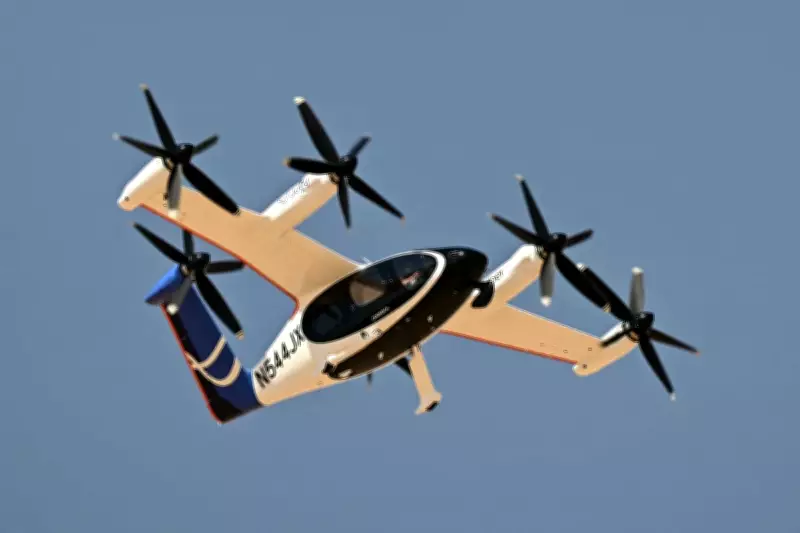
The remaining £26.5 million is earmarked for smarter regulation, including faster approvals for drone use in emergency response and medical logistics. Among the companies expected to benefit is Bristol-based Vertical Aerospace, whose Valo aircraft has a cruise speed of 150 mph, a range of 100 miles, and zero emissions. The aircraft giant says the vehicle could carry four passengers and a pilot from Canary Wharf to Heathrow in just 12 minutes. Chief executive Stuart Simpson welcomed the announcement, calling the UK’s CAA “a serious and constructive partner” and noting that the funding moves the country closer to the leading edge of the sector.
Building on Previous Plans
The announcement builds on plans first outlined under the previous government, which set a roadmap for the first piloted flying taxi flight in 2026 and routine services by 2028. Labour has now allocated fresh funding behind those targets, framing the sector as a key part of its broader industrial strategy alongside commitments to airspace modernization and a £2.3 billion investment in green aircraft development.