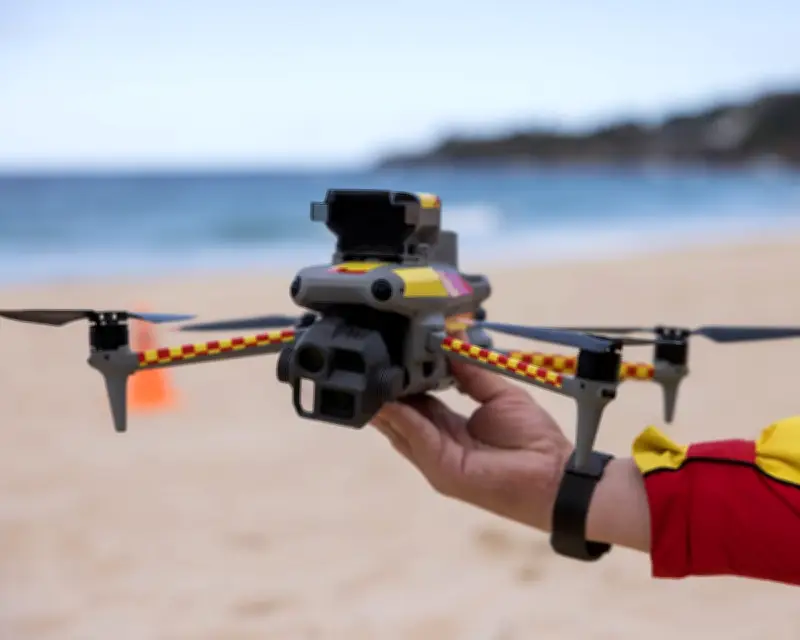
Surf Life Saving NSW will operate daily drone flights from dawn to dusk year-round across 70 beaches in New South Wales as part of an expanded $34 million anti-shark monitoring program, the state government announced. The initiative aims to put 'more eyes in the sky' to detect sharks earlier and reduce interactions with swimmers and surfers.
Premier aims to restore beachgoer confidence
NSW Premier Chris Minns said the program would restore confidence after a series of shark sightings and attacks, including a great white shark attack on Sydney mother Leah Stewart at Coogee beach earlier this month. Stewart is no longer in critical condition. 'While no one can ever promise no shark interactions, this investment is about putting more eyes in the sky so we can spot sharks earlier and give people a clear heads-up when they’re in the water,' Minns said on Sunday.
Coverage details: 70 beaches from 1 July
From 1 July, all 38 of Sydney’s ocean beaches will be covered year-round, along with 32 beaches in other parts of the state. The expanded program also includes increased drone monitoring at regional beaches, with daily flights from 1 December to 30 April, weekend flights throughout the year, and extended daily flight hours.

Surf Life Saving NSW to lead drone operations
The program will be carried out by Surf Life Saving NSW, which already conducts drone surveillance, including an existing school holiday drone program. CEO Steve Pearce said drones are an 'extremely effective component' of the state’s shark management program, noting that 'this year alone identified and prevented over 2,000 sharks interacting with swimmers and surfers, and conducting over 100,000 flights'.
AI shark detection trials planned for summer
The funding will include trials of new artificial intelligence shark detection systems over summer, which could eventually allow for automated flights. University of Sydney shark policy expert Associate Professor Christopher Pepin-Neff called the AI plan 'ambitious and bold' but cautioned: 'We need to be realistic about what drones can do and what they can’t do. With more drones in the air, that is going to mean sharks are discussed a lot more across Australian beaches. We need to treat the beach like the bush. It’s the wild.'
Year-round drone monitoring: Sydney and beyond
In Sydney, year-round drone monitoring will expand from 26 to all 38 ocean beaches, from Palm Beach in the north to Cronulla in the south. Two SharkSmart listening stations in Sydney Harbour will alert swimmers to tagged sharks. Coverage will not be limited to patrolled beaches, but not every beach in the state will be included. The 70 beaches selected include those with the highest numbers of swimmers and surfers, with at least one beach in every coastal local government area.
Premier resists calls for shark cull
Following multiple attacks in the past 12 months, some fatal, Premier Minns has resisted calls for a cull, including of great white sharks, which are a protected species. He told Sky News that 'the distances these [white] sharks travel are massive. It’s not like we can knock a few off and send a message to the rest of them.' Pepin-Neff agreed, noting that white sharks are pelagic and travel the entire ocean, so a cull would have no effect. However, Minns said bull sharks, which are not a protected species, are a different situation, and the government is 'looking at all of those measures' including an audit of shark numbers in Sydney Harbour. He did not rule out a cull of bull sharks if numbers are higher than normal in summer.
Expert views on shark abundance and drone benefits
Robert Harcourt, emeritus professor of marine ecology at Macquarie University, said analysis of long-term tagging of bull sharks shows 'no evidence of an increase in abundance', though there is some evidence that sharks are arriving earlier and staying longer. He called a cull 'not a rational response'. Harcourt welcomed the increased funding for drone monitoring, noting it provides benefits beyond shark detection: 'It’s not just about sharks, it also provides swimmer surveillance and everything else … to keep people safe from all hazards.'