NASA is on the cusp of a major milestone in its ambitious programme to return humans to the moon. The colossal Space Launch System (SLS) mega-rocket, which will propel the Artemis 2 mission, is set to be moved to its launchpad at the Kennedy Space Centre in Florida within days.
Rollout and Final Preparations
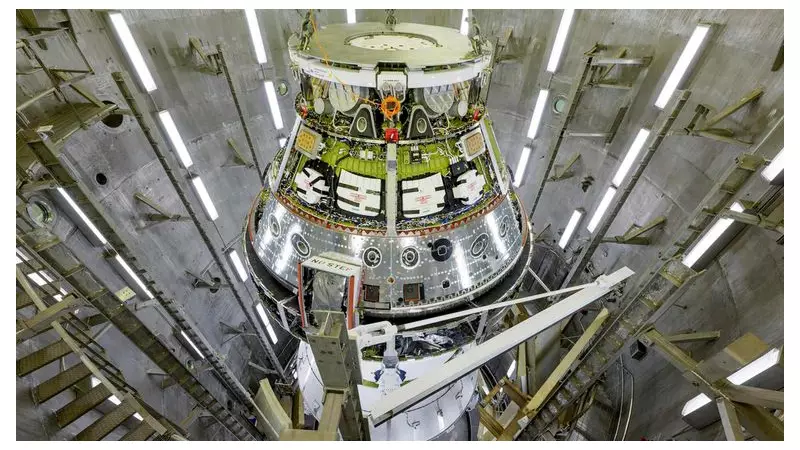
Barring any weather or technical setbacks, the US space agency plans to slowly transport the 98-metre-tall rocket from its assembly hangar to historic Launch Pad 39B on 17 January. This meticulous process, using a giant 'crawler transporter', will take up to 12 hours to cover the four-mile distance. The transporter will be carrying the integrated SLS rocket and the Orion crew capsule.
Once at the pad, engineers will connect ground systems and conduct a final series of checks. A critical 'wet dress rehearsal' is scheduled for the end of January, where the rocket will be loaded with 3.2 million litres of propellant and the launch team will run through the full countdown sequence.

The Historic Crewed Mission
Artemis 2 represents a monumental leap: it will be the first crewed mission to the moon since Apollo 17 in 1972. The flight will carry four astronauts on a 10-day journey around the moon and back to Earth. The crew comprises NASA's Reid Wiseman, Victor Glover, and Christina Koch, alongside Jeremy Hansen from the Canadian Space Agency.
This mission is a crucial test before Artemis 3, which aims to land astronauts on the lunar surface. It also marks a significant moment in the modern space race, particularly with China, as both nations target the moon's strategically important south pole.
Overcoming Delays and Technical Hurdles
The path to launch has not been smooth. The Artemis 2 launch is already over a year behind its original schedule. Issues identified during the uncrewed Artemis 1 test flight in 2022, including problems with the Orion capsule's life support and heat shield, required extensive design modifications.
Engineers are still troubleshooting last-minute problems. Recently, a critical cable in the rocket's emergency abort system was found bent and is being replaced. NASA officials emphasise that crew safety remains the absolute priority. Lori Glaze, acting associate administrator, stated: "We have important steps remaining on our path to launch and crew safety will remain our top priority at every turn."
Only after all tests are complete will NASA confirm a firm launch date. The current window runs from 6 February to April, but launch opportunities are limited to just five days each month due to the moon's orbital position. Potential launch dates are 6-11 February, 6-11 March, and 1-6 April. A launch can be 'scrubbed' on the day due to bad weather, technical issues, or even boats or aircraft entering restricted zones.