NASA Astronauts Endured Life-Threatening Crisis in Boeing Starliner Mishap
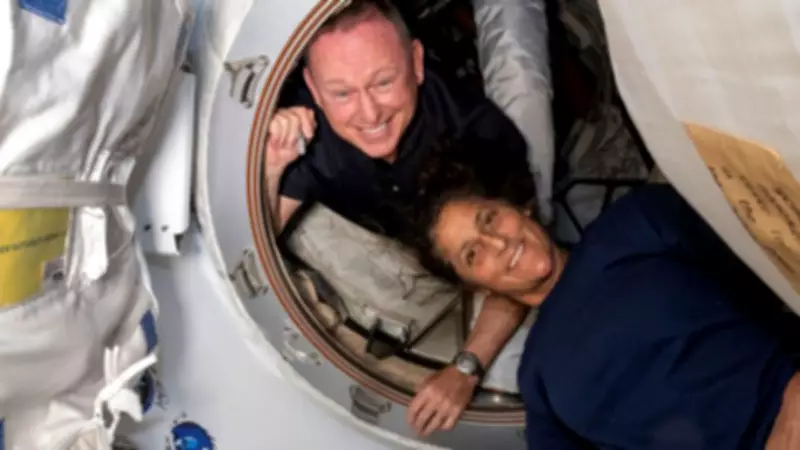
A scathing NASA investigation has uncovered that two astronauts, Butch Wilmore and Suni Williams, were nearly involved in a catastrophic event during Boeing's Starliner capsule first crewed test flight. The incident, which occurred in June 2024, has been officially classified as a life-threatening Type A mishap, placing it on par with the fatal Space Shuttle disasters of 1986 and 2003.
Critical Thruster Failure and Manual Recovery
During the mission to the International Space Station, the Starliner's thrusters failed, leaving the spacecraft dangerously out of control. Wilmore and Williams managed to restart the propulsion system and manually dock with the ISS, averting potential disaster. One senior NASA official remarked, "We almost did have a really terrible day." Jared Isaacman, the NASA chief, emphasized at a news conference that different decisions or unsuccessful docking could have led to a very different outcome.
Extended Stay and Ongoing Technical Issues
Originally scheduled for a 10-day visit, the astronauts' stay on the ISS was extended to nine months as NASA assessed the problem. The capsule returned to Earth without them, but the report indicates thrusters still malfunctioned during re-entry. Boeing's Starliner has faced persistent technical challenges, including flammable tape on electrical systems and parachute system failures.

Leadership and Cultural Breakdowns
The report highlights that hardware failures were exacerbated by leadership mistakes and a cultural breakdown between Boeing and NASA. Isaacman stated the capsule was not ready for crewed flight, while Boeing claims to have implemented significant cultural changes and corrective actions. Amit Kshatriya, another NASA official, described the event as a challenging moment in the agency's history.
NASA's Oversight and Future Missions
NASA initially failed to classify the propulsion loss as a Type A mishap, despite it meeting criteria as a departure from controlled flight. The agency was overly focused on developing an alternative to SpaceX's capsule, leading to risks inconsistent with safety standards. Isaacman noted, "The record is now being corrected." NASA and Boeing continue to investigate the thruster failures, with the Starliner grounded until resolved.
Implications for Upcoming Space Exploration
This incident comes as NASA prepares for the Artemis mission, aiming to launch four astronauts on a moon loop using the new SLS mega-rocket and Orion capsule, which have faced issues like hydrogen leaks and heatshield problems. The first possible launch date is 6 March, but NASA insists on readiness before proceeding. Wilmore and Williams have since retired from the agency, marking the end of their careers amid this high-stakes scrutiny.