Major US Airlines Implement Baggage Fee Increases Amid Fuel Price Volatility
Several prominent US airlines have announced significant hikes in baggage fees in recent days, attributing the changes to ongoing turbulence in oil markets driven by the US-Israeli military conflict in Iran. This conflict has nearly doubled jet fuel prices, placing financial pressure on carriers despite some reporting strong profits.
Delta Follows United and JetBlue in Fee Adjustments
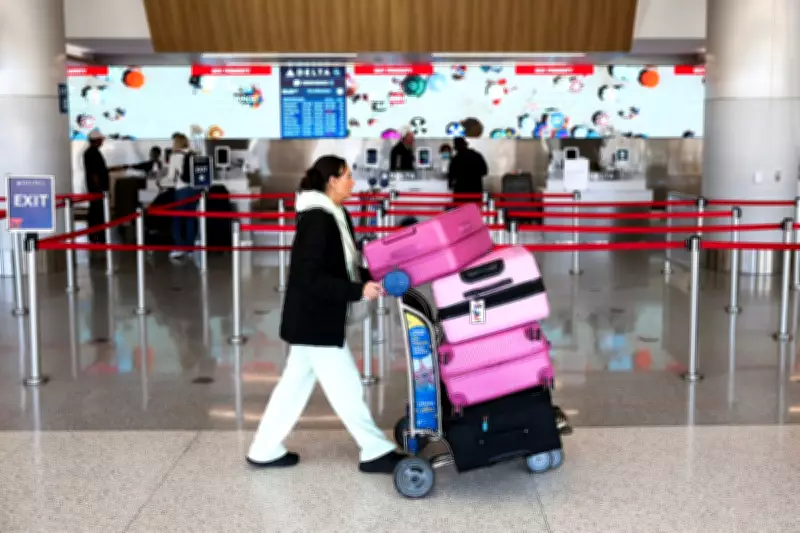
On Tuesday, Delta Air Lines joined United Airlines and JetBlue in raising baggage fees, with the new structure taking effect immediately. The cost for a first checked bag on most routes will increase by $10 to $45, while a second bag will rise to $55. A third checked bag will now cost $200, marking a $50 increase from previous rates.
A Delta spokesperson stated, "These updates are part of Delta's ongoing review of pricing across its business and reflect the impact of evolving global conditions and industry dynamics." The airline did not clarify whether these fee hikes are permanent or temporary, pending a resolution to the Iran conflict and subsequent fuel price stabilization.

Fuel Price Surge Linked to Middle East Conflict
The fee increases come as airlines grapple with soaring jet fuel costs since the US joined Israel in military strikes on Iran beginning in February. Iran's response included closing the Strait of Hormuz, a critical passage for approximately one-fifth of the world's oil supply.
According to Airlines for America, the average price of a gallon of jet fuel in major hubs like Chicago, Houston, Los Angeles, and New York has skyrocketed from $2.50 on February 27 to $4.81 recently. Additionally, airlines face increased fuel consumption due to longer flight routes avoiding the conflict zone.
Delta Projects Strong Profit Despite Rising Costs
Interestingly, Delta announced on the same day as its fee hike that it expects to record a pre-tax profit of about $1 billion for the quarter ending in June. The airline also reported breaking its previous March-quarter revenue record with $15.9 billion.
Ed Bastian, Delta's CEO, commented, "We delivered earnings that were more than 40% higher than last year, even with a significant increase in fuel costs and operational disruptions across the industry." Bastian did not address the baggage fee increases directly.
Other Airlines Adjust Fees and Strategies
United Airlines raised its baggage fees on April 3, increasing first and second checked bag costs by $10 in what it described as its first hike in two years. A first bag now costs $45 if booked in advance or $50 within 24 hours of travel, with similar adjustments for second bags.
JetBlue also increased its sliding scale of baggage fees, which vary based on booking timing and peak travel periods. Both airlines cited rising fuel costs as the primary reason for these changes.
JetBlue noted in a statement, "While we recognize that fee increases are never ideal, we take careful consideration to ensure these changes are implemented only when necessary."
Broader Industry Responses to Fuel Challenges
Beyond baggage fees, numerous airlines have implemented broader strategies to mitigate fuel expenses. Major international carriers such as Qantas, Cathay Pacific, and Thai Airways have imposed fuel surcharges on tickets.
Meanwhile, British Airways is reportedly collaborating with its main pilots' union to offer financial incentives to pilots who reduce fuel consumption, highlighting the industry-wide effort to address cost pressures.
As the Iran conflict continues to disrupt global oil markets, passengers can expect ongoing adjustments in airline pricing and fees, reflecting the complex interplay between geopolitical events and economic realities in the aviation sector.