Airbus Advocates for Dual-Fighter Approach in Europe's Troubled FCAS Initiative
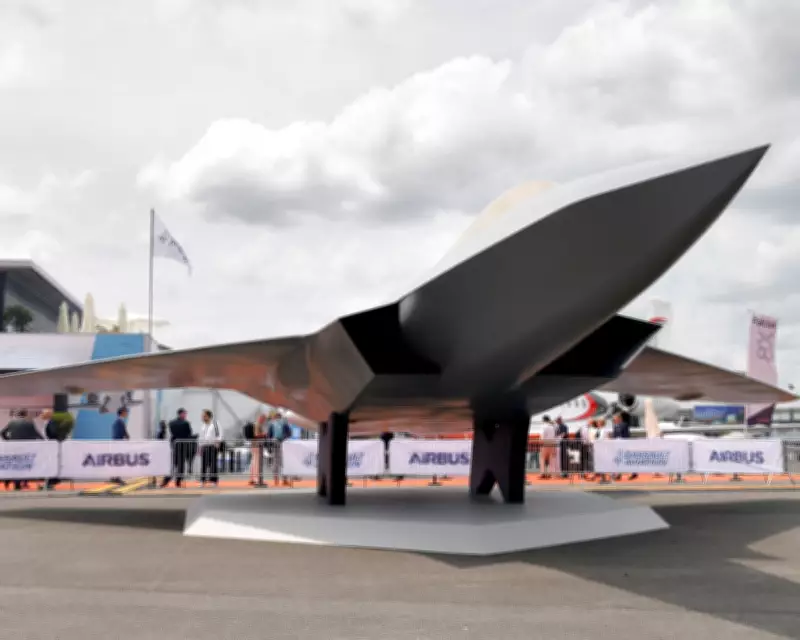
Airbus has put forward a radical proposal to resolve the ongoing impasse in Europe's ambitious Future Combat Air System (FCAS) programme, suggesting the development of two separate next-generation fighter jets. This move comes as a direct response to the escalating disputes between key manufacturers and national governments over leadership of the €100 billion (£87 billion) defence project.
Deadlock Over Leadership and Technical Specifications
The aerospace giant's defence division, representing Germany and Spain, finds itself in a protracted standoff with French partner Dassault Aviation regarding the core fighter jet component of FCAS. This comprehensive initiative also encompasses autonomous drones and an advanced "combat communications cloud" system, but the fighter element has become the primary point of contention.
Guillaume Faury, Chief Executive of Airbus, emphasised the critical nature of the situation in a recent statement, asserting that the current deadlock "should not jeopardise the entire future of this hi-tech European capability, which will bolster our collective defence." He further clarified Airbus's position, stating, "If mandated by our customers, we would support a two-fighter solution and are committed to playing a leading role in such a reorganised FCAS delivered through European cooperation."

Diverging National Requirements Complicate Progress
The programme's challenges have been exacerbated by differing technical requirements from participating nations. German Chancellor Friedrich Merz recently highlighted that Germany's military does not necessitate a nuclear-capable fighter, unlike France, describing the issue as a technical rather than political disagreement. This divergence adds another layer of complexity to an initiative already plagued by power struggles between Airbus and Dassault, as well as conflicting governmental expectations from France and Germany.
Launched in 2017, the FCAS project has encountered repeated obstacles, with Germany, France, and Spain now facing a crucial decision on whether to advance to the next phase as planned or abandon the joint fighter in favour of proceeding with other programme elements. Faury noted that while the fighter component is at a "difficult juncture," the other pillars of FCAS are progressing satisfactorily, and the overall programme remains strategically valuable.
Potential for Expanded Collaboration and Broader Implications
Airbus's proposal for a dual-fighter solution could potentially open the door for additional European partners to join the initiative, though Faury stressed that such decisions ultimately rest with the customer governments. This development occurs against a backdrop of mixed fortunes for Airbus, which reported a 23% increase in annual profit to €5.2 billion but saw its shares decline by 6% due to supply chain disruptions affecting its commercial aircraft production.
The company has faced significant engine shortages, particularly from Pratt & Whitney for its A320 model, forcing a revision of ambitious production targets. These supply issues, compounded by fuselage panel problems requiring extensive inspections, have contributed to a drop in January deliveries to their lowest level since 2020, inadvertently benefiting rival Boeing.
As Europe grapples with enhancing its collective defence capabilities, the FCAS programme stands at a critical crossroads, with Airbus's split solution offering a potential pathway forward amidst entrenched disagreements and technical challenges.