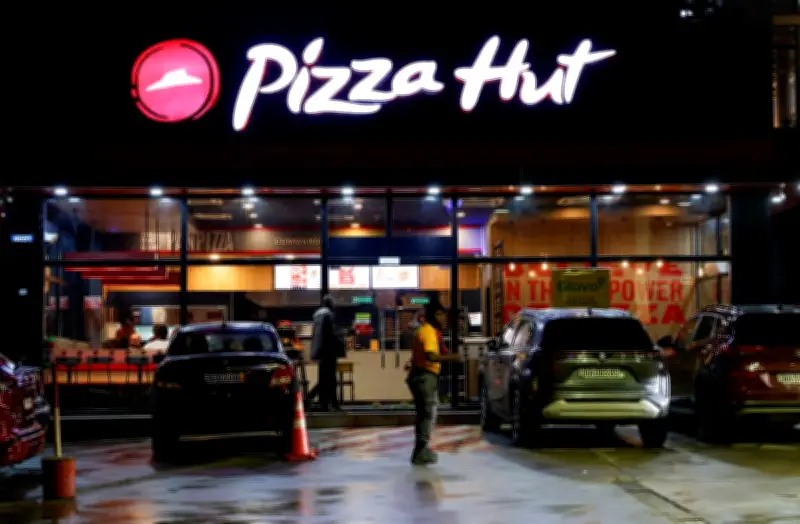
Yum Brands, the parent company of KFC, Taco Bell, and Pizza Hut, has announced plans to sell the Pizza Hut chain. The decision comes as part of a strategic portfolio review aimed at sharpening the company's focus on its stronger-performing brands.
Details of the Sale
The company did not disclose a specific buyer or the expected sale price, but sources indicate that the deal could value Pizza Hut at several billion dollars. Yum Brands has hired financial advisors to oversee the process, which is expected to attract interest from private equity firms and other restaurant operators.
Strategic Rationale
Yum Brands CEO David Gibbs stated that the sale allows the company to concentrate on KFC and Taco Bell, which have shown stronger growth and higher margins. Pizza Hut has faced increased competition from delivery-focused rivals and changing consumer preferences.
- KFC and Taco Bell have outperformed Pizza Hut in same-store sales growth.
- Pizza Hut's dine-in model has been challenged by the rise of delivery apps.
- The divestiture will simplify Yum Brands' operations and reduce costs.
Impact on Employees and Franchisees
The sale is expected to affect thousands of employees and franchisees. Yum Brands has assured that it will work to ensure a smooth transition and maintain support for Pizza Hut's operations during the process.
Pizza Hut operates over 18,000 restaurants worldwide, with a significant presence in the United States and international markets. The chain has been undergoing a transformation, including menu innovations and store redesigns, but has struggled to keep pace with competitors like Domino's and Papa John's.
Market Reaction
Shares of Yum Brands rose slightly in early trading following the announcement. Analysts view the sale as a positive move that will unlock shareholder value and allow the company to focus on its core brands.
The decision marks a significant shift for Yum Brands, which acquired Pizza Hut in 1977. The chain has been a staple of the company's portfolio for decades, but changing market dynamics have prompted a reassessment of its long-term strategy.