With Christopher Nolan's film adaptation of The Odyssey launching worldwide, a reader questions why video games have been slow to borrow from classic Greek myths and other famous stories. The reader, Rooster, expresses excitement about the film but notes that even if it disappoints, the story's enduring nature ensures future adaptations—except in video games.
The Lack of Mythological Video Games
Rooster points out that the only video game resembling a proper adaptation of The Odyssey is a PC game from 2000, which was not a hit or big budget. Western video games rarely use public domain characters, unlike Japan and China, which frequently create games based on their myths. While there are some Sherlock Holmes games, there are no decent King Arthur or Robin Hood games, and few authentic Greek or Roman myth adaptations.
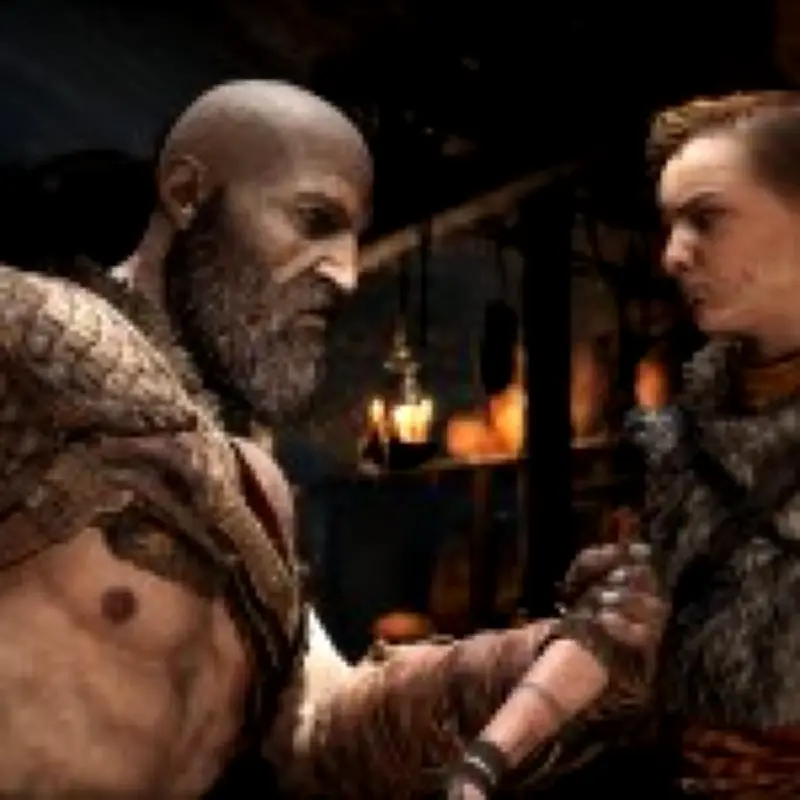
The exception is God of War, which features Greek mythology but is not accurate and uses a made-up protagonist, Kratos. The rebooted God of War games are better but no longer set in Greece.
Why The Odyssey Would Make a Great Game
According to Rooster, The Odyssey has a clear goal—getting home—and features numerous monsters and battles, making it ideal for a video game. Its episodic structure, including trips to Hades and encounters with Calypso, naturally lends itself to levels. With the film's expected popularity, many will become familiar with the story, but video games take years to develop, risking outdated relevance.
Rooster argues that the story's action elements—fighting a cyclops, avoiding the Laestrygonians and Scylla—are similar to what God of War does well, yet no other company has copied its success in 25 years. Companies spend millions on licenses like Star Wars and Marvel when they could use free public domain IPs like Homer's works.
Past Attempts and Missed Opportunities
The only comparable attempt was EA's Dante's Inferno, a God of War clone based on an epic poem with little action, which resulted in a bad game. Rooster suggests that a tie-in to Nolan's film could kickstart interest, though ironically, a licensed game would cost money, whereas a game based on the original text would be free.
Rooster concludes by encouraging developers to take advantage of public domain stories, as Homer won't sue, and the potential for a great game is high.