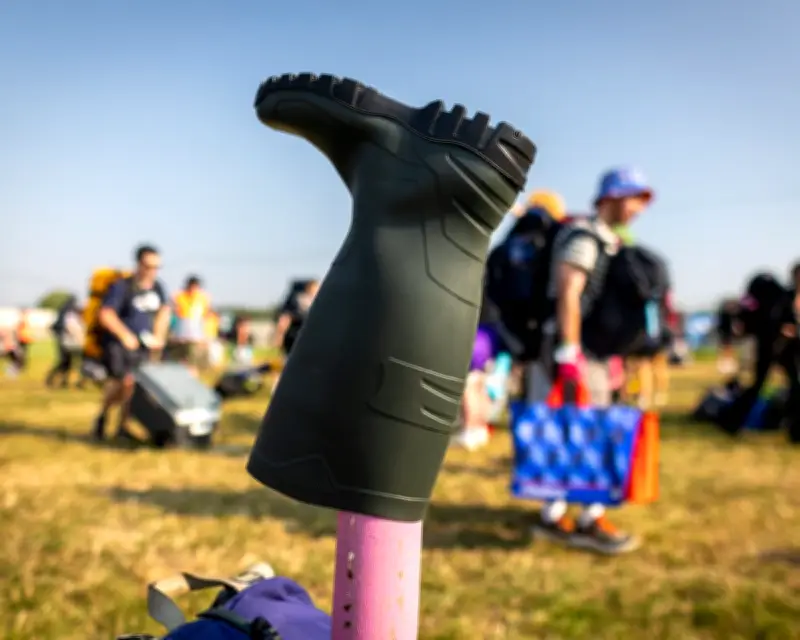
In any other year, The Guide newsletter would be arriving from Worthy Farm, home of Glastonbury Festival. But in 2026, for the first time since the Covid pandemic, the festival is taking a fallow year. This break allows the dairy farmland to recover from five years of camping, trampling, and moshing, while giving organisers time to recharge and plan for the future. For long-term attendees, the fallow year is bittersweet, but this year it feels like a bullet dodged, as the event would have coincided with a dangerous heatwave.
Glastonbury's Fallow Year Success
When the festival returns after a fallow year, it tends to be re-energised with new stages, stronger lineups, and well-rested staff. The last fallow year was in 2018, and the festival came back revitalised. This success suggests that other cultural institutions could benefit from similar breaks.
Other Institutions That Could Benefit
Eurovision, flatlining in ratings and beset by controversy, might benefit from a year off to resolve political tensions and fix its voting system. Star Wars, suffering from audience fatigue due to an overly congested fleet of films and TV shows, could hit pause on expansion. Pop stars like Taylor Swift, after a period of near-total ubiquity, seem to be in a brief fallow moment, musically at least. Charli xcx, still on an exhausting cycle of post-Brat self-promotion, could also use a fallow year. Adele has shown the value of regularly receding from the spotlight, both commercially and for personal wellbeing.
Overexposure and TV Drama
A fallow year could solve problems of overexposure for comedians like Romesh Ranganathan, whose constant presence on primetime TV has made him a punchline. TV drama now largely operates under its own fallow logic, with long breaks between series due to extended production times. However, shows like The Bear might have benefited from a fallow period, given diminishing returns in later seasons. Reality TV could also use an enforced holiday to tighten ethics and refresh stale formats.
Of course, this is fanciful. Few shows, film franchises, or performers can realistically take a year off due to fan demand, share prices, and the need to make a living. Glastonbury is an outlier: it is not-for-profit, its founders have a separate cattle-based income, and many employees have other jobs. Still, in a ceaseless 24/7 culture, there is value in pausing for reflection and renewal.