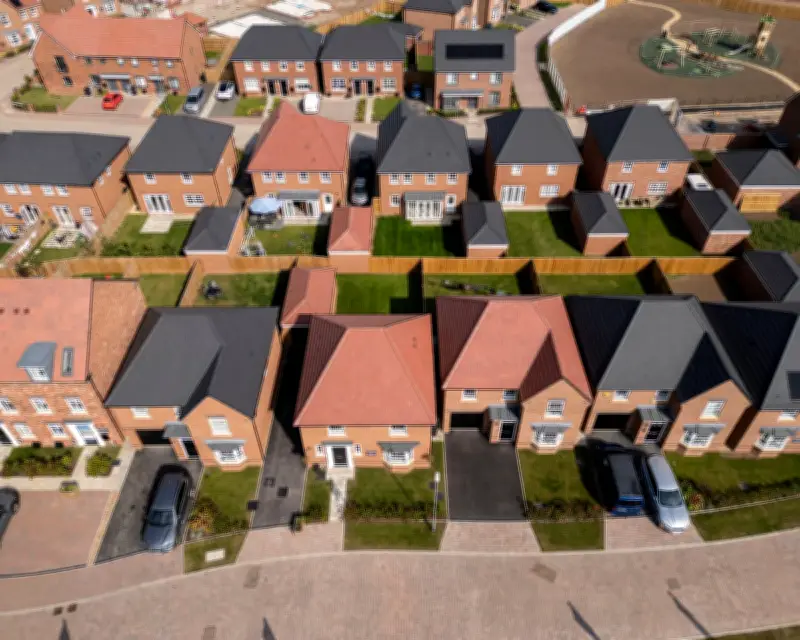
A legal case representing approximately 700,000 people who purchased new-build homes between October 2015 and June 2024 targets the UK's seven largest housebuilders. The action seeks compensation of between £3,100 and £6,200 per claimant, totaling an estimated £2.2bn to £4.5bn for the industry. The case stems from a Competition and Markets Authority (CMA) investigation that found evidence of commercially sensitive information sharing among builders, potentially influencing pricing.
Background of the case
In 2022, then-Housing Secretary Michael Gove requested a full market study into volume housebuilders. The CMA published its findings in early 2024, identifying structural issues in the UK's housing market. Buried on page 87 of the report was a finding that internal documents from housebuilders suggested sharing of commercially sensitive information, which could affect pricing and breach competition law. The CMA launched a further investigation in February 2024.
However, in October 2024, the CMA closed its investigation without reaching a final conclusion. In exchange, the builders agreed to pay a collective £100m into government affordable housing schemes, ensure no future sharing of sensitive information, and publish new industry guidance. The builders were neither exonerated nor found guilty. Law firms specializing in class actions then seized the opportunity, and the Competition Appeal Tribunal will decide if the case can proceed.
Allegations and industry structure
The alleged breaches involve sharing non-public information such as agreed prices (distinct from asking prices), incentives (like kitchen upgrades or stamp duty help), and visitor numbers to sites. Industry analyst Neal Hudson suggests the concerns relate to "chumminess" between salespeople across different outlets rather than wholesale corporate-level sharing. If proven, competition law would entitle buyers to compensation.
The UK's housing market is dominated by volume housebuilders, unlike other European countries. In Germany, over 50% of housebuilding is done by individual households commissioning local builders directly; in the UK, that figure is 7%. France relies more on municipal authorities and social housing providers, while Sweden uses cooperatives. The UK's speculative model, where builders control land and resources, has led to a decline in smaller builders—from about 10,000 in the 1980s to 2,800 by the mid-2010s, falling further since.
Impact and consequences
Between 2012 and 2015, profits at the biggest builders rose by nearly 200%, but output only increased by 33%. The speculative model prioritizes profit by controlling home releases. The seven builders facing the claim collectively built 73,000 homes in 2023-24. Some are already financially strained due to rising construction costs from Ukraine, Brexit, Iran tensions, and inflation, plus higher borrowing costs and post-Grenfell cladding remediation bills.
Peter Apps, author of Show Me the Bodies: How We Let Grenfell Happen, notes that while the alleged scandal may seem minor compared to other new-build issues—poor quality, hidden estate management charges, leasehold scandals, excessive executive pay—it could be a catalyst for reform. He argues that the dominance of big builders must break for any new model to flourish, and this case might help drive that change.
The seven housebuilders have declined to comment, except Berkeley Group, which said it is aware of the claims but inappropriate to comment further. The outcome of the Competition Appeal Tribunal's decision will determine whether the class action proceeds.