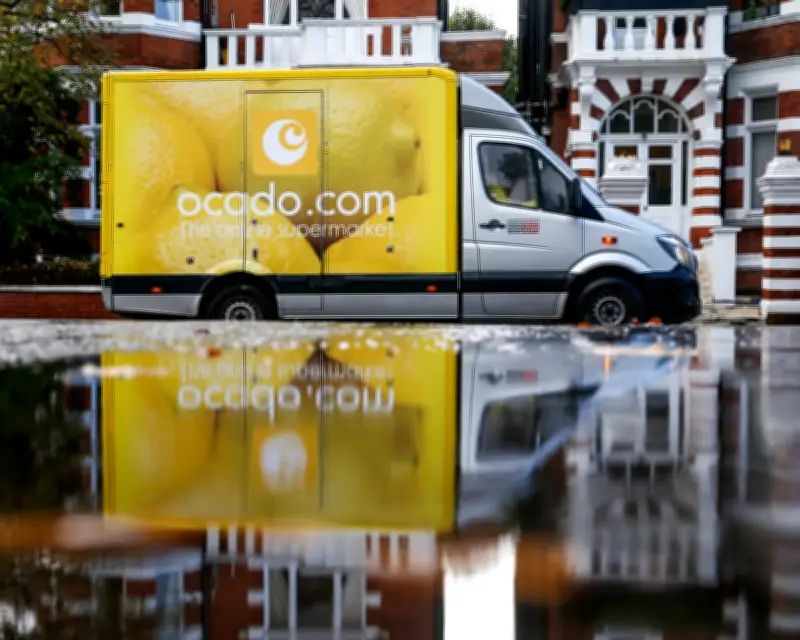
Ocado co-founder and chief executive Tim Steiner will step down in 2028, ending weeks of speculation over the online grocer's leadership. Steiner, who co-founded Ocado in 2000 with two other former Goldman Sachs bankers, will continue as CEO until the start of the 2028 financial year in December 2027, by which point the company expects to have a successor in place.
Founder role and transition plan
After stepping down as CEO, Steiner, 56, will remain for another year in a 'founder role', providing 'strategic guidance, deep market expertise and support' to the board through to 2029, Ocado said. The board expressed gratitude for Steiner's continued leadership and looks forward to working alongside him during this next chapter.
Ocado supplies automated warehouse technology for retailers globally and runs a UK online grocery venture with Marks & Spencer. The announcement follows reports that Ocado chair Adam Warby and Tetra Pak billionaire Jörn Rausing, a shareholder and board member, attempted to oust Steiner after a sharp decline in the company's share price, prompting backlash from long-term investors. Warby was appointed in December 2024 and previously chaired headhunter Heidrick & Struggles for five years.
Challenges and cost-cutting
Ocado has faced difficulties, with North American partners Kroger (US) and Sobeys (Canada) closing robotic warehouses due to weaker-than-expected demand. The company is seeking new overseas partners. Its shares have lost more than 50% of their value over the past year. In February, Ocado announced it would cut 1,000 jobs as part of cost-cutting efforts. Last month, it confirmed long-term succession planning after Sky News reported that Niklas Heuveldop, CEO of Vonage (a subsidiary of Sweden's Ericsson), had been approached for the role.
Steiner's tenure and pay
Steiner holds a 2.35% stake in Ocado. He has led deals with Morrisons, M&S, and a recent tie-up with Asda, but has also faced shareholder unrest over his pay. He has collected nearly £100 million since Ocado floated on the stock market in 2010, although the current share price is below its flotation level.