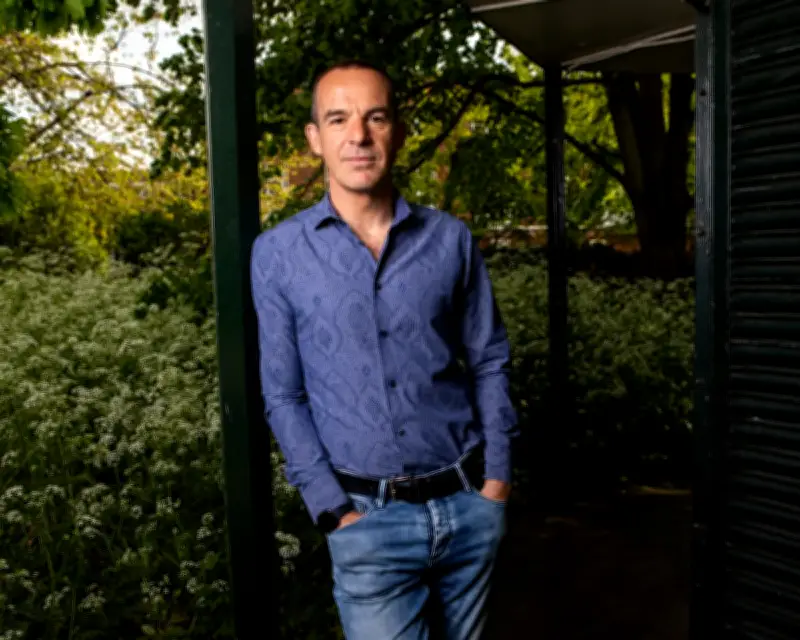
Martin Lewis, the personal finance expert and founder of MoneySavingExpert, has described the online scams that use his identity as 'organised crime.' In a recent interview, he revealed that despite years of campaigning, he feels he is losing the battle against fraudulent adverts that have cost victims more than £20 million.
Victim Impact and Emotional Toll
Lewis shared the story of an elderly woman with a disability who lost her life savings after investing in a scheme purportedly endorsed by him. 'THEY ARE BASTARDS!' he wrote on social media, adding that he had 'tears running down my face.' He described a 'constant, ongoing deluge of shit from the scammers.'
Lewis never advertises anything; his social media profile picture includes the words 'I don’t do ads' on his forehead. Yet deepfake videos and fraudulent adverts continue to deceive people. MoneySavingExpert now employs a full-time staff member to handle such cases.
Scale of the Problem
Analysis by Action Fraud in 2024, studied by MSE, showed that victims reported losing over £20 million to scams featuring Lewis. He topped the chart of famous faces used in scam adverts, ahead of Taylor Swift and Elon Musk. Lewis emphasised that 'scammers is not the right word'—it is 'organised crime' with 'psychologically adept marketing systems' akin to dark web marketing agencies.
Despite a decade of campaigning—including a defamation case against Facebook that resulted in a £3 million donation to Citizens Advice—little has changed. Lewis successfully campaigned for scam advertising to be included in the 2023 Online Safety Act, but implementation has been delayed. 'Absolutely bugger all has been done,' he said. The consultation, initially set for early 2025, has been pushed to mid-2026.
Government Inaction and Criticism
Lewis feels 'completely let down by the entire political classes.' In May, he co-signed an open letter to Prime Minister Keir Starmer with the chief executive of Which?, expressing concerns about the government's lack of action. 'No. We haven’t heard back yet,' Lewis said.
He criticised Starmer's response to the AI nudification issue, where the PM said tech companies should lose self-regulation if they profit from harm. 'AI nudification is terrible. But destroying people’s lives through stealing their money and their mental health through scam ads is just as terrible,' Lewis said. He noted a Reuters report that Meta’s internal projections showed approximately 10% of its 2024 revenue—$16 billion—would come from illicit advertising. Meta responded that it had reduced user reports of scams by 58% over 18 months.
Proposed Solutions
Lewis advocates for 'friction advertising' to make it costly to publish scam adverts. He wants potential advertisers to register and be pre-vetted, big fines for tech companies that publish scams, and partial responsibility for recompense to victims. He also suggests forcing tech firms to notify everyone who saw a scam advert, similar to newspaper apologies.
He recalled a caretaker who argued with him for over 20 minutes, insisting that a scam investment was legitimate despite Lewis himself denying it. 'That isn’t my investment,' Lewis told him, but the caretaker persisted.
Personal Burden
Lewis admitted to 'dark days, mental health-wise' from the pressure. He tries not to read individual emails to protect himself from 'despair and utter hopelessness.' The most painful cases are those who blame him, writing 'You promised I’d get all my money back!' He feels the 'depression and loss of self-worth' that comes from being a victim.
Despite the emotional weight, Lewis refuses to accept blame: 'I have done nothing wrong. I will not allow these criminals to bite into my morality.'