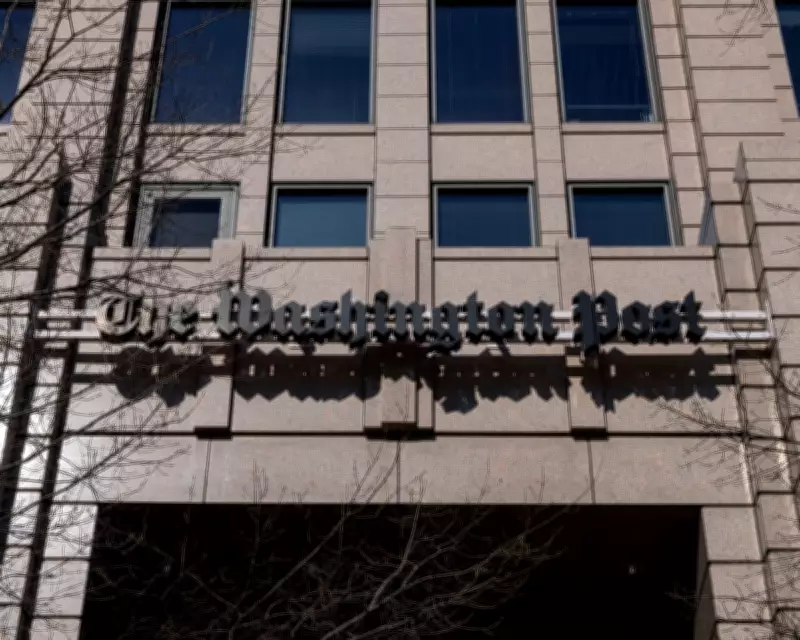
Federal Judge Dismisses Washington Post Raid Case, Upholding Press Freedom
A federal judge has officially dismissed a high-profile case concerning a raid on The Washington Post, delivering a significant ruling that reinforces the protections afforded to the press under the First Amendment of the U.S. Constitution. This decision marks a pivotal moment in media law, addressing concerns over government overreach and the safeguarding of journalistic integrity.
Details of the Case and Legal Arguments
The case stemmed from an incident where authorities conducted a raid on The Washington Post, allegedly in pursuit of sensitive information. The newspaper challenged the action, arguing that it violated constitutional guarantees of press freedom and could set a dangerous precedent for government interference in newsgathering activities. In response, the judge meticulously reviewed the legal arguments, weighing the balance between national security interests and the fundamental rights of the media.
The ruling emphasized that the First Amendment provides robust protections for journalists, ensuring they can operate without undue harassment or intimidation from government entities. The judge noted that while law enforcement has legitimate investigative powers, these must be exercised with caution to avoid encroaching on the press's role in a democratic society.

Implications for Media and Legal Precedents
This dismissal is expected to have far-reaching implications for the media industry and legal frameworks surrounding press freedom. It serves as a reminder of the judiciary's role in upholding constitutional rights, particularly in an era where journalists often face increased scrutiny and challenges. Legal experts suggest that this case could influence future rulings on similar matters, potentially deterring aggressive actions against news organizations.
The decision also highlights ongoing debates about the limits of government authority in relation to the press, with advocates praising it as a victory for transparency and accountability. However, some critics argue that it may complicate efforts to address legitimate security concerns, underscoring the delicate balance between freedom and security.
Reactions from Stakeholders and Broader Context
Reactions to the ruling have been mixed, with media organizations and free speech advocates applauding the judge's stance. The Washington Post issued a statement expressing relief and reaffirming its commitment to independent journalism. Conversely, government representatives have expressed disappointment, citing potential impacts on investigative procedures.
This case occurs against a backdrop of global discussions on media freedom, with similar incidents reported in other countries. It underscores the importance of legal safeguards in protecting journalists from undue pressure, ensuring they can continue to inform the public without fear of reprisal.