New polling reveals that a majority of citizens in the UK, Spain, and the Netherlands support the use of gene editing to correct life-threatening genetic conditions such as cystic fibrosis. The Ipsos poll, conducted for the Progress Educational Trust, also found a plurality support for using the technology on difficult but manageable conditions like asthma. Italy returned a plurality in support on both questions.
Scientific Advances Drive Debate
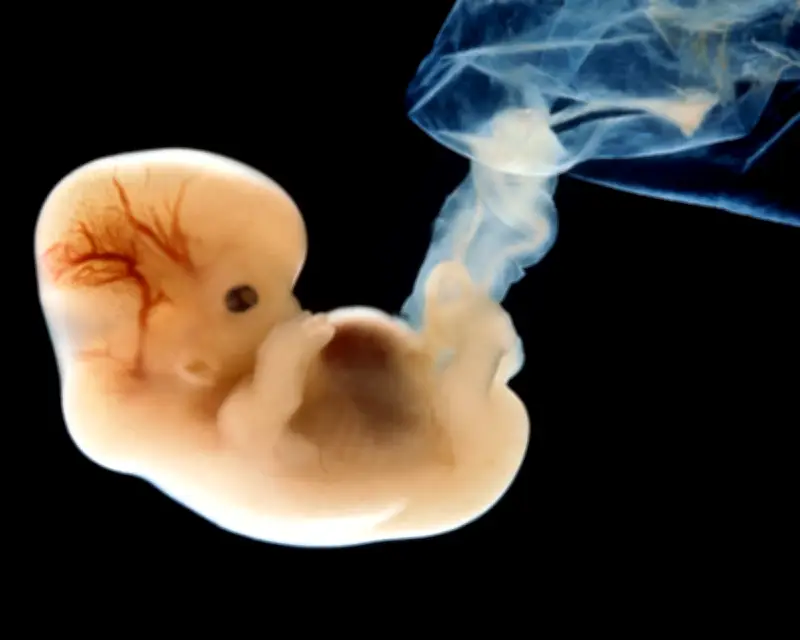
Two recent studies use base editing, a more precise next-generation Crispr tool, on human embryos to study early development or disease. This research is legal in the UK and US as long as the embryos are destroyed within 14 days. The lead author of one study, Dieter Egli, stated that the technology is not yet ready for the clinic, but the advances would “guide responsible research to achieve its ultimate safe and effective use.” This reflects the view of many scientists who believe regulated use of germline editing to eradicate hereditary conditions is inevitable, with safety being the primary objection.
Safety Concerns Underpin Current Laws
Safety concerns form the basis of most laws against gene editing. No country currently allows human germline editing, and 70 countries, including the UK, have laws against it. However, the position of the influential Nuffield Council on Bioethics is that human germline editing is not ethically unacceptable in itself, a line also held by the US National Academies of Sciences, Engineering, and Medicine. Bioethicist R Alta Charo notes that each new technological advance chips away at safety objections, forcing society toward more fundamental questions about whether and how to use the technology.
Public Trust in Science Grows
Given that IVF research faced strong opposition in the 1980s, the current polling shows remarkable public trust in science and a willingness to consider modifying human genetics. However, human germline editing should not be seen as inevitable. For rare genetic conditions that cannot be treated with existing methods like embryo selection, the technology might be considered first if deemed safe.
Designer Babies and Regulation Challenges
Designer babies are not just a theoretical concern. In jurisdictions like the UK, where donor selection is illegal in IVF, some couples already use companies abroad to screen for desirable traits. Worryingly, collaborations between such IVF companies and labs conducting base-editing research exist in the US, highlighting the short leap from medical treatment to on-demand genetic designs. Any discussion must acknowledge that while regulation can limit these darker uses, it is unlikely to eliminate them entirely.
For now, human germline editing should remain banned on safety grounds. But that argument may not always hold, and society must begin a broader conversation about the future of this technology. As the bioethicist R Alta Charo points out, each new technological advance chips away at objections over safety, forcing us toward more fundamental questions on whether this technology should be used at all, and if so in what situations. Any changes to the law must consider these questions and specific uses, rather than a narrow definition of safety.