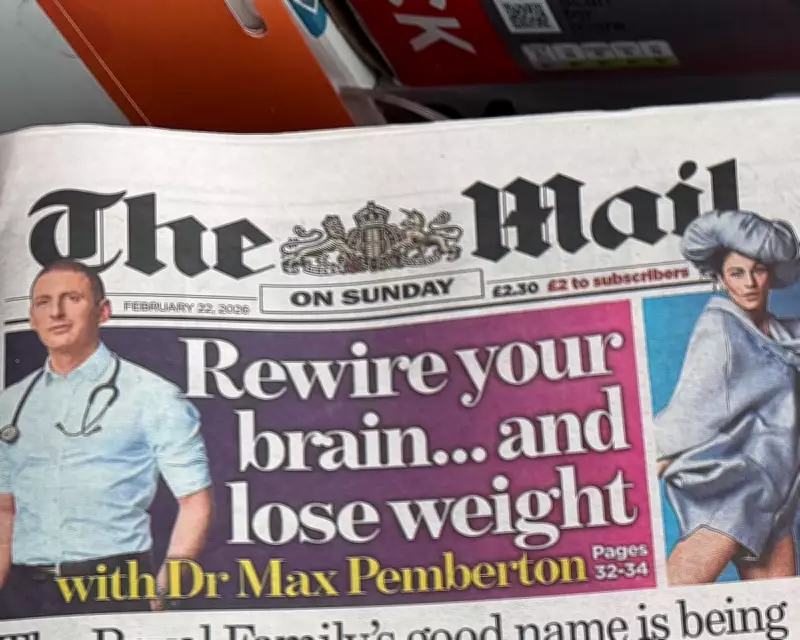
Former Mail on Sunday Editor Denies Misleading Inquiry Over Private Investigator
A former editor of the Mail on Sunday has strongly denied allegations of misleading an official inquiry into the newspaper's use of a private investigator, as the case escalates to the High Court. The legal proceedings focus on claims that the editor provided false or incomplete information during the investigation, which examined the ethical and legal boundaries of media practices involving private investigators.
Details of the Allegations and Denial
The inquiry, launched to scrutinize the methods employed by the Mail on Sunday in gathering information, alleged that the editor misled investigators by withholding key details about the engagement and activities of a private investigator. According to sources, the investigator was hired to conduct surveillance and collect data for stories, raising concerns about privacy violations and potential breaches of journalistic standards.
In response, the former editor has issued a formal denial through legal representatives, asserting that all interactions with the inquiry were conducted in good faith and with full transparency. The editor claims that any perceived discrepancies in testimony were due to misunderstandings or incomplete records, rather than intentional deception. This denial sets the stage for a contentious High Court battle, where both sides will present evidence and arguments.

High Court Proceedings and Broader Implications
The case has now reached the High Court, where a judge will oversee hearings to determine the validity of the allegations. Legal experts predict that the outcome could have significant implications for media regulation and accountability in the UK, particularly regarding the use of private investigators by news organizations. If the allegations are proven, it could lead to stricter oversight and potential penalties for media outlets that engage in deceptive practices.
Moreover, this incident highlights ongoing tensions between press freedom and ethical journalism, as critics argue that such practices undermine public trust in the media. Supporters of the editor, however, contend that the inquiry itself may have been overly aggressive, potentially stifling investigative journalism. The High Court's decision is expected to clarify these issues and set a precedent for future cases involving media conduct.
Background and Context
The Mail on Sunday has faced previous scrutiny over its reporting methods, including allegations of phone hacking and other invasive techniques. This latest inquiry is part of a broader effort to hold media organizations accountable for their actions, following high-profile scandals in recent years. The use of private investigators by newspapers has been a contentious topic, with debates over whether it constitutes legitimate research or unethical intrusion.
As the High Court case unfolds, stakeholders from the media industry, regulatory bodies, and public advocacy groups are closely monitoring developments. The former editor's denial adds a layer of complexity to the proceedings, as it challenges the credibility of the inquiry's findings. Regardless of the outcome, this case is likely to spark further discussion about the balance between investigative journalism and ethical standards in the digital age.