CBS News Personality David Begnaud Launches Independent Media Venture While Maintaining Network Role
In a significant development reflecting the evolving media landscape, CBS News contributor David Begnaud has announced the launch of his independent media company, Do Good Crew, while simultaneously retaining his position at the network. This move exemplifies a growing trend where journalists balance traditional employment with entrepreneurial ventures, leveraging platforms like beehiiv to create personalized content ecosystems.
Blurring Lines Between Traditional and Independent Media
The media industry continues to undergo profound transformation as stable jobs diminish and emphasis shifts toward individual personalities over institutional brands. Numerous journalists have recently chosen to depart secure positions to establish paid newsletters on platforms including Substack and beehiiv. Notable examples from last year include CNN anchor Jim Acosta and ABC News correspondent Terry Moran, who both embarked on independent paths.
However, veteran television executive Wendy McMahon, former president of CBS News who resigned dramatically in May 2025 and now serves as senior adviser to beehiiv, argues television journalists don't necessarily need to abandon network positions to expand their creative horizons. "The lines are being blurred between creators and mainstream, and eventually they're going to fade away," McMahon stated in an interview. "So you can either watch as the future passes you by or you can participate in it fully. And I think the future of journalism isn't institutions or independence – I think it's both working together."

Do Good Crew: A Hybrid Media Model
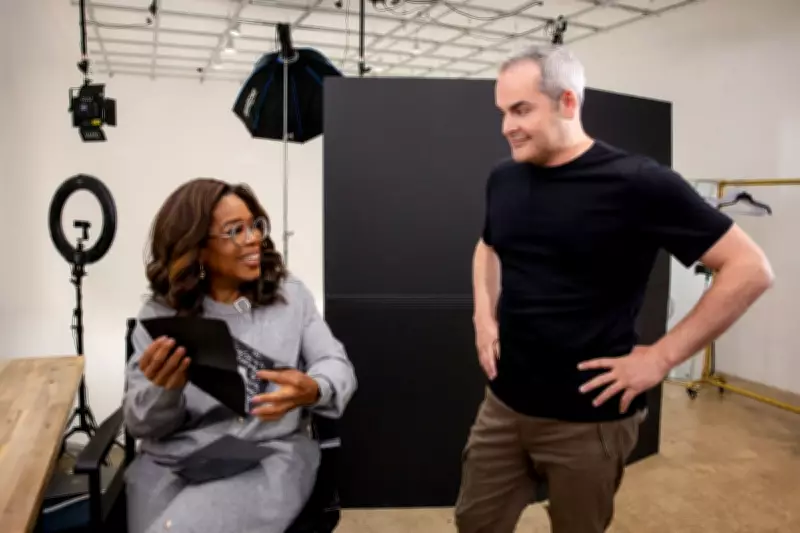
Begnaud revealed on Monday morning that he will maintain his CBS News contributor role while launching Do Good Crew, an independent media enterprise offering a weekly newsletter powered by beehiiv, a podcast series, and live events. The concept originates from Begnaud's existing Monday-morning television segment highlighting everyday heroes. The inaugural podcast episode, The Person Who Believed in Me With David Begnaud, features an exclusive interview with media icon Oprah Winfrey.
"I didn't want to be arrogant enough to think I didn't need CBS any more and I could just go and do my own thing," Begnaud explained, referencing his 2014 hiring as a national correspondent. "I also, secondly, have built a community and I didn't want to abandon that. That's why I said to CBS, 'Let's do this together.'"
During discussions with CBS News president Tom Cibrowski, Begnaud advocated passionately for permission to independently pursue his dedication to positive storytelling. "The company has supported a forward-thinking vision and has not been a hurdle to me, but a bit of a partner in supporting me in wanting to do good and bring on brands who want to be a part of it," he noted. "The respect and reverence I feel for CBS News has never waned because this is the job I dreamed of having, truly."
With Do Good Crew operational, Begnaud emphasized his new mission: "Now I get to go around America and tell stories that celebrate the best among us, and I get to invite and collaborate with brands that help support me in telling stories about people who do good."
Industry-Wide Implications and Platform Dynamics
McMahon confirmed she's engaged in conversations with television journalists considering independent ventures, especially as networks implement cost-cutting measures and layoff rumors circulate. Meanwhile, beehiiv co-founder and CEO Tyler Denk has actively recruited journalists, offering free services for a year to hundreds laid off by the Washington Post and recently courting UK publishers and journalists in London.
"I believe that legacy newsrooms have enormous strengths," McMahon asserted. "They have scale, they have news-gathering resources, which are vital, they have standards, and all of those pieces and parts are really important to a journalist. But what the independent space provides is the innovation and the intimacy, and the new definition of community and fandoms. The future of media, the future of journalism, requires a shared purpose between established players and emerging creators."

Begnaud echoed this sentiment, observing: "There are things people are saying 'yes' to today that if I had asked in the past, they would have laughed me out of the room ... I'm grateful to be alive at a time when the business is changing, because as scary as it might be and seem, and it does at times, I also see it as an immense, incredible opportunity."
Beehiiv's Distinctive Approach to Creator Support
Although newer to the newsletter market than competitors like Substack or Patreon, beehiiv has gained popularity among journalists and celebrities through its unique business model. Rather than taking a percentage of creators' subscription revenue, beehiiv charges monthly or annual user fees for platform services. Journalists participating in the platform's media collective receive crucial benefits including health insurance, access to wire images, and legal review services – perks traditionally associated with established news organizations.
"I think journalists and independent media are a big and important cohort of the people that we can serve on the platform," Denk remarked. "The platform is built to be un-opinionated, very flexible, and to help you basically grow and monetize however you think you best can grow and monetize."
Denk disclosed that beehiiv generated $30 million in revenue last year, yet maintained: "I still think we're very early. I don't think we've cracked the code on growth." This acknowledgment underscores the ongoing evolution within digital media platforms as they adapt to journalists' changing needs and the industry's structural shifts.