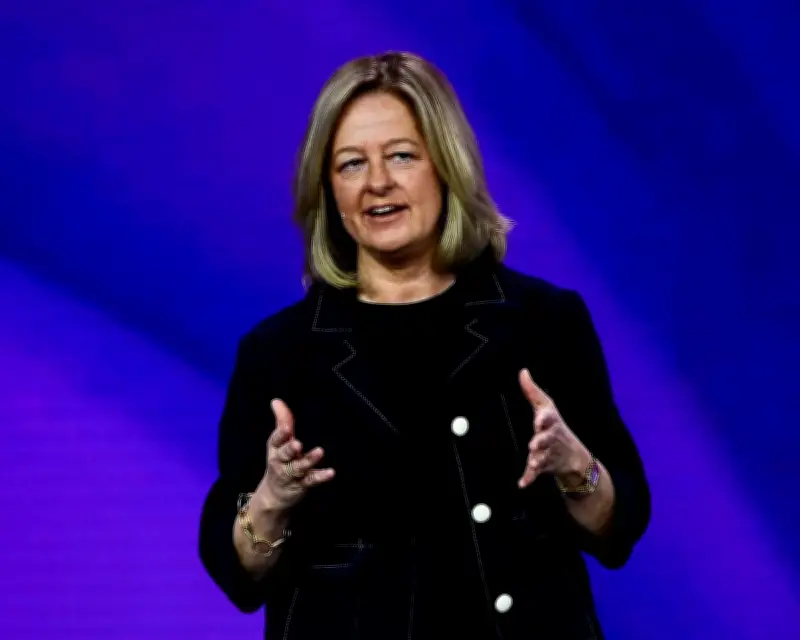
Allison Kirkby, BT's first female chief executive, received £5.6 million in pay and bonuses last year, the largest package for a BT boss in over a decade. Since taking the helm more than two years ago, the company's share price has climbed 80%, marking a significant turnaround that has pleased investors.
However, analysts and insiders question how much credit Kirkby deserves for the revival. Some argue that foundations were laid by her predecessor, Philip Jansen, who oversaw dividend cuts, infrastructure investment, and cost reductions during his tenure. One former senior executive described Kirkby as a 'lucky general' who inherited a strong hand but also a 'smart operator' making shrewd decisions.
International division exit and cost savings
Last week, Kirkby won praise for finally resolving BT's struggling international division, a long-term drag on the business. The exit follows a scandal at BT Italia that wiped over £8 billion off market value a decade ago and cost former CEO Gavin Patterson his job. BT now aims to focus on becoming a 'national champion' in the UK.
Full-fibre broadband now covers more than two-thirds of the UK, and BT could generate £3 billion in annual free cash flow by 2030. Kirkby raised the company's savings target from £3 billion to £3.7 billion last month, driven by workforce reductions and AI adoption. BT's workforce is expected to shrink by about 40% to roughly 75,000 by the end of the decade.
Competitive pressures and brand strategy
BT faces stiff competition from a resurgent Vodafone, which overtook EE as the UK's biggest mobile operator after a merger and saw its market value surge a quarter over the last year. BT's total revenues declined 3% last year, and its shares fell over 3% in the same period.
The company reversed a decision to retire the BT brand in favour of EE, now planning to keep BT as the flagship consumer brand with sponsorship of Euro 2028 and the return of BT Mobile. Polly Hopkins, UK managing director of branding agency Elmwood London, called the U-turn 'confusing' but noted the rationale is sensible: 'BT is emotionally hard-wired into our culture; EE has only delivered in the mobile space.'
BT's consumer operations—including EE, broadband, mobile, and television—showed subscriber growth for the first time in eight years. However, its infrastructure arm Openreach lost 825,000 broadband customers last year due to competition from heavily discounting 'alt-net' rivals. BT forecasts another 800,000 losses this year, bringing the five-year total to 3.2 million, nearly 16% of its current 21 million broadband base. Losses are expected to peak and fall to 288,000 annually by 2030.
Openreach valuation and future challenges
Kirkby has expressed frustration that Openreach's value is not reflected in BT's £19 billion market capitalisation. Analysts at New Street Research estimate Openreach alone is worth £30 billion. Matthew Howett, CEO of Assembly Research, said: 'Openreach is the perennial question. The wider group does not reflect the value of its constituents. How will she realise that?'
Speculation about selling part or all of Openreach has persisted but been dismissed due to complexities, particularly the BT pension scheme. However, one insider suggested that by 2030, as pension scheme numbers decline, the value could be realised—possibly under Kirkby.
BT chair Adam Crozier, a fellow Scot, once described his attraction to challenging roles as 'thrawn', a Scots word meaning difficult or intractable. To achieve her aims, Kirkby will need to embody that same trait.