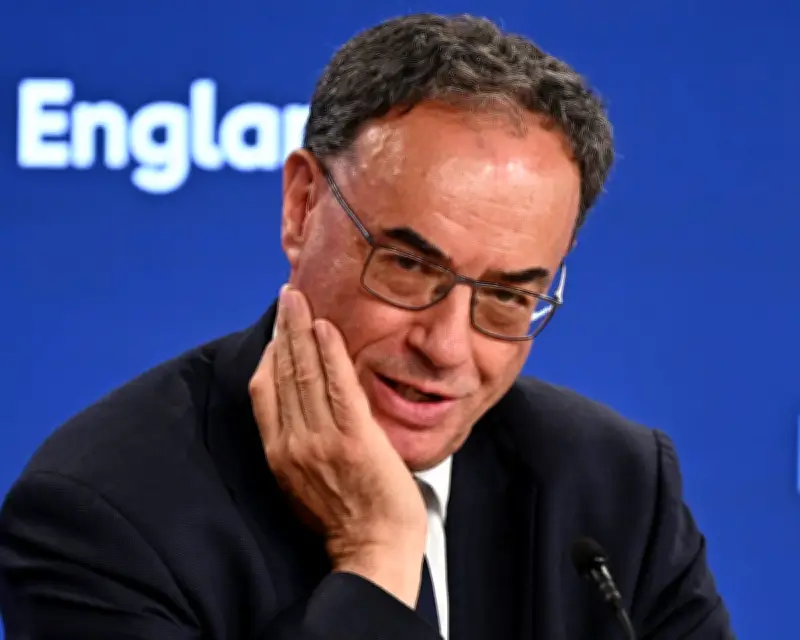
Bank of England governor Andrew Bailey has broken his silence about pressure from Nigel Farage to drop a cryptocurrency policy that could cost Reform UK's billionaire backer, stating he is 'able to spot' and resist lobbying. In a letter seen by the Guardian, Bailey wrote: 'We are, by the nature of the Bank's role, regularly subject to lobbying. I can assure you that we are able to spot this and appropriately discount it.'
Farage's undisclosed gifts trigger political crisis
Bailey's comments come as Farage faces the biggest crisis of his political career after deciding not to disclose a £5m gift from Thailand-based crypto tycoon Christopher Harborne. On Tuesday, the Reform UK leader announced he would resign as an MP amid a parliamentary standards investigation into the payment from Harborne and another into undeclared support from convicted fraudster George Cottrell. Denying any wrongdoing, Farage called for a 'people versus the establishment' byelection, but the Conservatives, Labour, Restore Britain, the Greens, and Liberal Democrats said they would boycott it, accusing him of diverting attention from financial allegations.
Private meeting and lobbying attempts
The Guardian revealed in June that Farage used a private meeting with Bailey in September to demand the Bank drop plans for a state-issued rival to the cryptocurrency that appears to make Harborne as much as £1bn a year. Farage later told a crypto conference in London: 'I asked [Bailey] straight: 'Are you still progressing your plans for a British central bank digital currency?' And the answer was: 'Yes.'' To thwart the Bank's plan, Farage added, he would be 'prepared to go to prison'. He claimed the Bank's digital currency would be part of a digital ID scheme, though this is not part of the proposals.
Lobbying from Tether and policy response
Lobbyists for Tether, the El Salvador-based company part-owned by Harborne that issues the world's most widely traded cryptocurrency, have written to the Bank arguing against its plans for a 'Britcoin', saying it could cut demand for Tether's stablecoins. Labour MP Joe Powell wrote to Bailey seeking details of his meeting with Farage, which the Bank refused to release under freedom of information law. In his reply, Bailey said the meeting was arranged at the request of Richard Tice, Reform MP and deputy leader, 'following an exchange of letters'. Bailey confirmed: 'I am happy to confirm that no policy changes have taken place as a result of interventions by Mr Farage.'
Farage's claims and political reactions
Farage has said he urged Bailey to drop plans for a cap on how many stablecoins individuals could own, telling him: 'Listen mate, you're being a dinosaur.' He claimed Bailey changed his mind, but after a consultation, the Bank dropped the planned cap. Powell said: 'I'm pleased the governor of the Bank of England has confirmed Nigel Farage's brazen lobbying attempt on behalf of crypto billionaires was unsuccessful. It's clear he has no regard for independent institutions, and if Reform were to form a government, it would be one dominated by the billionaire interests who line Farage's pockets.' Phil Brickell, Labour chair of the parliamentary group on anti-corruption, has called for an investigation into whether Farage attempted to pressure Bailey in breach of lobbying rules.
Reform UK's defense
A Reform spokesperson said: 'Nigel Farage has expressed his strong opposition to central bank digital currencies since early 2021. His remarks to Andrew Bailey are consistent with his longheld belief that the UK should be a global hub for regulated cryptocurrency innovation and investment.' When asked about Farage's intervention, Harborne's lawyers said: 'Mr Harborne will not comment on fantasy.' Farage has become a champion of cryptocurrency, and of Tether in particular, since Harborne embraced his political project. Reform's sole piece of draft legislation is a bill that would cut taxes on crypto profits. For a fee, Farage has plugged obscure cryptocurrencies on the video site Cameo.