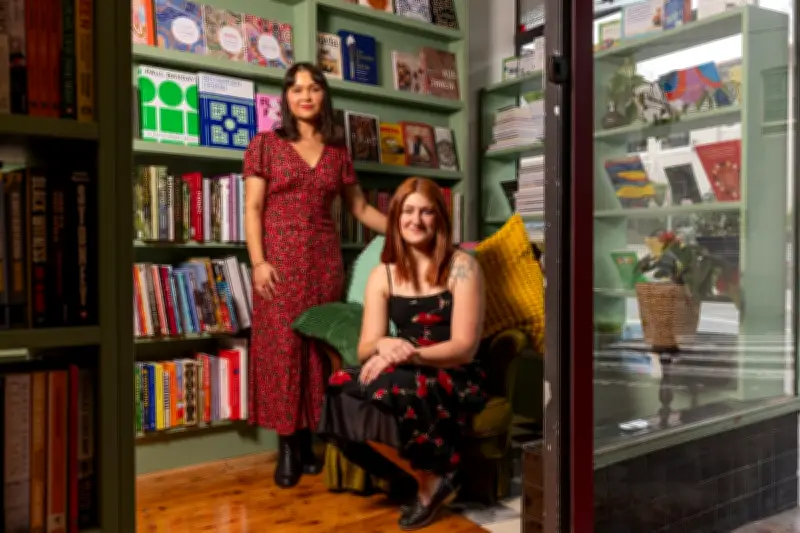
Stephanie Beck and Mischa Parkee, both 31-year-old full-time teachers, have opened The Rose Read Bookshop in Sydney's Summer Hill, using an inheritance from Beck's mother. 'I thought, this is not a money-making venture,' Beck said, but it felt like a 'meaningful way' to use the funds. The shop aims to be a community hub with kids' events, parent and bubs' events, free events, and affordable bookclubs. Parkee described it as 'a place where people meet others and expand their perspectives' and 'have a sense of belonging.' Locals have already volunteered to sticker books and sent flowers, food, and cards.
Industry Struggles
According to independent research published last year, Australia's bookstore count fell 49% in a decade, from 2,879 in 2013 to 1,457 in 2023. Rising rents and competition from retailers like Kmart and Amazon are blamed. The Australian Booksellers Association (ABA) reports that 24% of independent booksellers do not pay themselves a wage. ABA CEO Susannah Bowen said, 'We have so many bookshops running on empty. The typical owner-operator bookseller is working incredibly long hours, either not paying themselves at all or paying themselves way less than they could earn elsewhere.' About 40% of local bookshops report under $50,000 profit each year, according to the ABA.
Call for Government Support
The ABA has proposed a cultural policy submission to help booksellers survive, including tax offsets on Australian titles, price-fixing measures common in Europe (supported by author Richard Flanagan), and legislation to recognize bookshops as essential cultural spaces like libraries and regional cinemas. Terri-Jane Dow, owner of Cursive Knives bookstore in Fortitude Valley, Queensland, said, 'I think it’s quite reductive to say that it’s just retail. Reading is a very solitary pastime, but books as a whole just is not. When you read a book, you want to go and talk to people about it.'
New Shops Bucking the Trend
Cursive Knives, opened in December 2025, hosts up to five book club nights a week plus workshops. Dow said, 'I’ve basically forgotten what my husband looks like, but running a bookshop is great.' However, margins are tight. The recommended retail price for a book is about $36.99, but only 43% of books in Australia are bought at that price; most are sold cheaper via Amazon or discount stores like Big W and Kmart. 'You can’t, as an independent bookshop, compete with Big W selling books for like $14. They’re costing me more than $14 to bring in,' Dow said, adding that customers value personal interaction.
Melbourne's Fino Books opened this month in Fitzroy North, selling new and secondhand titles plus vinyl. Owner Tessa Dwyer said, 'Bookshops are naturally a bit of a community space. People come and have a little pause from what’s going on outside; they’re not quite a library, but they’re not quite a shop either.' She noted that writing workshops, book launches, and talks add 'opportunities for creativity, discussion and critical thought.' Dwyer emphasized, 'Books are an absolute necessity and you can’t overstate the pivotal role they play in nurturing our society.'
Literacy and Community
Bowen concluded, 'It’s not really possible to browse and talk to someone about the books in an online environment or a discount department store. It just doesn’t happen. Bookshops drive literacy, they function as community gathering spaces, and they sustain Australian stories. Most people want to support that.' Despite pressures, new bookshops continue to open, driven by a desire for community connection.