Forget the iconic, luxury-priced cross-continental rail voyages. Across Australia, a more humble and affordable network of state-run intercity trains offers a unique, if sometimes challenging, way to explore. With fares dramatically cut in some states and family deals aplenty, these services provide vital links to regional gems, albeit often with a dose of old-fashioned charm and a distinct lack of frills.
The Eastern Corridor: The XPT Workhorse and Its Quirks
Connecting the major hubs of Melbourne, Sydney, and Brisbane is the 43-year-old XPT fleet, a true workhorse of the east coast. These trains serve 38 stations on a route that has ferried passengers for decades. A journey from Melbourne to Sydney or Sydney to Brisbane costs around $100 for an adult, comparable to a budget airfare.
However, travellers should be prepared for a lengthy trip and some notable quirks. The Melbourne to Brisbane service, for instance, takes nearly two days, including an eight-hour layover in Sydney. A significant perk is that up to four children can travel for just $1 each when accompanied by a fare-paying adult from their household on NSW TrainLink services.
Onboard, the experience is a deliberate step back in time. The trains function as "mobile Faraday cages", with no wifi, unreliable mobile data, and no power sockets for charging devices. The buffet car offers basic refreshments, but EFTPOS is unreliable, so cash is king. First-class offers only marginally more legroom and recline for about $40 extra on top of a standard $99 Melbourne-Sydney fare.
There is hope for modernisation. The ageing XPT fleet is slated for replacement by new Spanish-built trains, the first of which began testing in February 2025. After years of delays, these promise wifi and charging ports, though sleeper cabins have been scrapped from the design.
State-by-State: From Victoria's Elegance to WA's Discounts
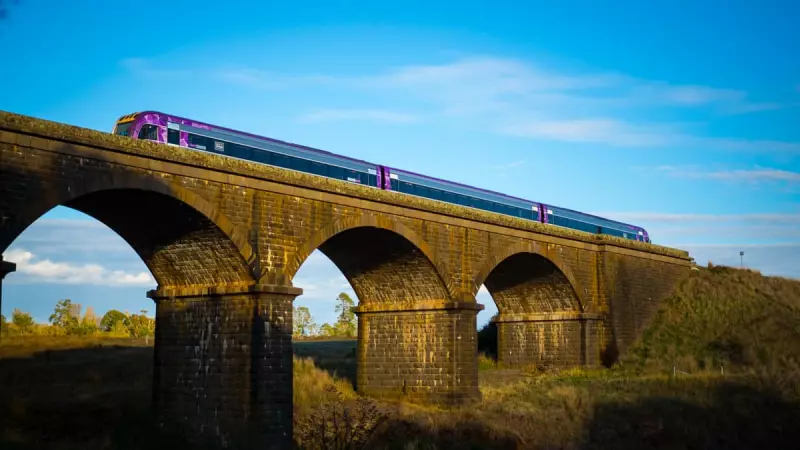
The regional rail experience varies dramatically from state to state. Victoria's V/Line network is often hailed as a national benchmark for regional travel. Its purpose-built VLocity trains, introduced in 2005, provide sleek, reliable, and comfortable services. With a daily fare cap of $11.40 for adults (covering most of the 13 lines), travel is straightforward and affordable.
In New South Wales, the over-30-year-old Xplorer trains service routes to destinations like Canberra, Armidale, and Broken Hill. The same $1 child deal applies, and pensioners can travel for $2.50 per journey if booked a week or less in advance. These carriages are also due to be replaced by the new Spanish fleet.
Queensland covers vast distances, with the flagship Spirit of Queensland running a 25-hour journey from Brisbane to Cairns. Fares start from about $220. Its unique "rail beds" – seats that convert to lie-flat beds with included meals and linen – are a popular upgrade, often selling out quickly.
In a major move for affordability, Western Australia has permanently slashed fares on its four regional lines by 50%. One-way tickets now range from $4.65 to $69, and include same-day free travel on other regional and city services.
The Bottom Line: Adventure Over Luxury
Australia's regional train network is defined by its accessibility and character, not luxury or speed. It unlocks parts of the country that are difficult or expensive to reach by other means, from the outback to coastal towns. Services in South Australia are limited mostly to The Overland to Melbourne, while Tasmania and the Northern Territory lack substantial public distance rail.
For the flexible and curious traveller, options like NSW's Discovery Pass – starting at $232 for 14 days of unlimited travel – can transform a simple A-to-B trip into a multi-stop adventure. The key is to manage expectations: bring a book, some cash, and a spirit of adventure. These trains offer a uniquely Australian travel experience, where the journey itself, with all its rattles and rhythms, is as much a part of the story as the destination.