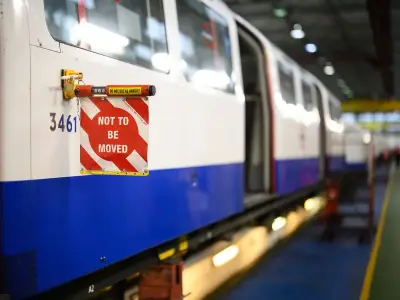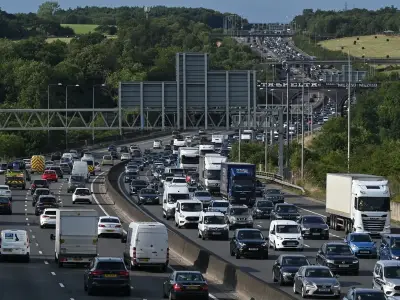
The British government is set to significantly ramp up the use of artificial intelligence across the nation's transport systems, with a strategic shift from limited trials to full-scale implementation. This acceleration aims to tackle persistent issues like potholes, congestion, and rail delays head-on.
From Pilots to Core Infrastructure
Speaking at the Transport AI Summit on Thursday 15 January 2026, Transport Select Committee chair Ruth Cadbury MP confirmed the government's steadfast commitment. She stated that continued investment in AI and data-driven tools is essential for improving the performance of both road and rail networks.
Industry leaders echoed this sentiment, emphasising the need to move beyond experimentation. Daren Wood, chief technology officer at rail tech firm Resonate Group, argued that these digital tools are becoming central to the UK's national infrastructure. He highlighted that a fully optimised, digitally-supported transport network is vital for unlocking future economic growth and job creation.
The Action Plan and Its Aims
This concerted push follows the formal publication of the Department for Transport's 'Transport AI Action Plan' several months ago. The blueprint outlines specific plans to leverage AI technology for three key areas:
- Predictive maintenance to fix issues before they cause disruptions.
- Smarter traffic management systems to ease congestion.
- Improved journey planning tools for passengers.
The plan signifies a clear intent to embed AI into the everyday fabric of the UK's transport operations.
The Critical Need for Cyber Vigilance
However, as transport systems become increasingly digital and interconnected, experts warn of heightened security risks. Graeme Stewart, head of public sector at Check Point Software, issued a stark warning that the adoption of AI must be matched with robust cyber defences.
"With AI set to play a major role in the future of the UK’s transport infrastructure, it’s crucial that the necessary security safeguards are put in place," Stewart said. He urged policymakers overseeing the country's roads, rail, and transport systems to remain vigilant at all times to protect this critical national asset from emerging digital threats.
The coming years are poised to see a fundamental transformation in how Britain's transport network operates, driven by data and intelligent systems, provided the foundation is secure.