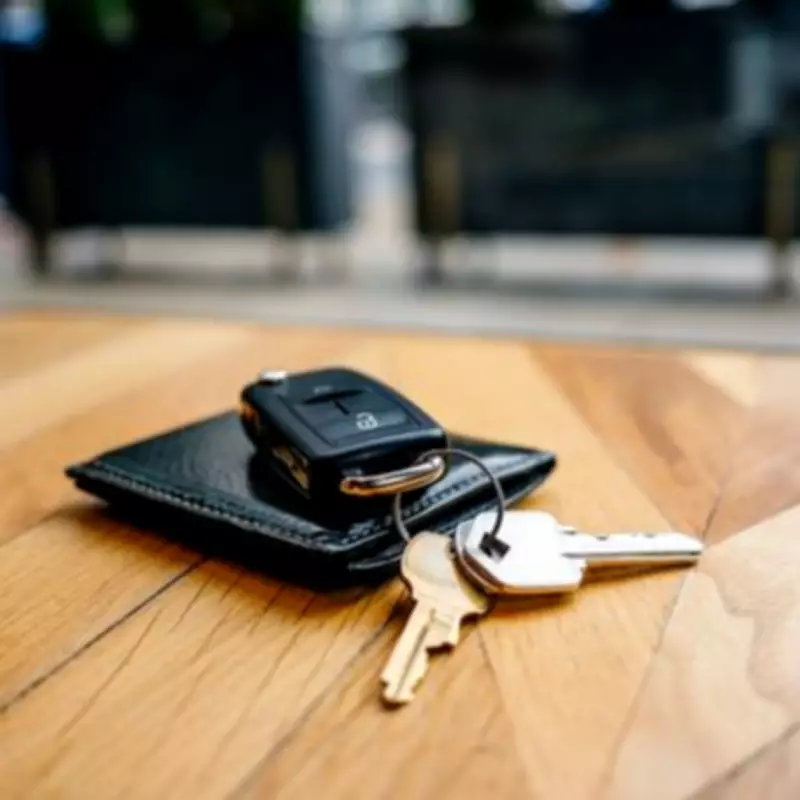
Biscuit Tin Hack: Simple Metal Container Blocks Car Key Fob Signals from Thieves
Motorists across the nation are being advised to adopt a surprisingly simple yet highly effective security measure: storing their car keys in a metal biscuit tin. While this might sound like an unconventional suggestion, experts assert that this straightforward method can significantly deter car thieves by blocking the signals from key fobs.
Alarming Car Theft Statistics Reveal Urgent Need for Protection
According to the latest ONS crime statistics, a car is stolen every four minutes in England and Wales, with over 130,000 thefts recorded between March 2024 and March 2025. These staggering figures highlight the critical importance of taking proactive steps to safeguard vehicles from potential criminals. The biscuit tin hack, though simple, could prove to be a game-changer in the fight against automotive theft.
How Thieves Exploit Keyless Entry Technology
Modern car thieves frequently employ sophisticated technology that allows them to hack into key fobs from outside homes. These devices intercept the signal emitted by the key fob, which is then relayed to an accomplice positioned near the vehicle with another transmitter. This process mimics the legitimate signal from the key fob, deceiving the car into unlocking and starting without any physical contact required.
Money Supermarket notes that criminals only need to be a few metres away from the car to initiate this process, enabling them to capture the signal even when the key is inside a residence. However, by placing car keys inside a metal biscuit tin, motorists can effectively thwart these opportunistic thieves, as reported by the Express. The metal container acts as a barrier, blocking the fob's signal and preventing keyless theft.
Expert Recommendations for Enhanced Vehicle Security
Motoring experts at Cinch have endorsed this method, describing it as a "cheap, very quick and brilliantly effective way to protect your key when it's lying around at home." They recommend using an aluminium tin, such as a traditional biscuit container, or investing in a specialised signal-blocking box or pouch. By storing car keys, fobs, or cards in these shielded environments, the signal between the car and the key is blocked, preventing thieves from intercepting and cloning it.
For situations when individuals are out and about, experts suggest using a Faraday pouch, which functions similarly to an RFID-blocking wallet for credit cards. This portable solution provides continuous protection against contactless theft, ensuring that key signals remain secure even on the go.
Official Police Guidance on Preventing Keyless Theft
The Metropolitan Police has issued specific warnings regarding keyless theft and provided comprehensive guidance on securing keyless entry vehicles. Their recommendations include:
- Keeping car keys, including spares, well away from the vehicle when at home.
- Utilising screened or signal-blocking pouches, such as Faraday bags, and regularly testing their effectiveness every few months.
- Reprogramming keys when purchasing a second-hand car.
- Turning off wireless signals on the fob when not in use.
Additional Security Measures Beyond Signal Blocking
While focusing on blocking fob signals is crucial, drivers should also ensure that all doors and windows are securely locked. ONS vehicle crime data indicates that thieves gaining access through an unlocked door remains the most common method of car theft. Locking the vehicle, even during routine activities like refuelling or when parked on a driveway, substantially reduces the risk of becoming a target for opportunistic criminals.
The police emphasise the importance of securing vehicles at all times and remind motorists to double-check that windows and sunroofs are fully closed, even after locking the car. By combining the biscuit tin hack with these basic security practices, drivers can create a robust defence against the rising tide of vehicle thefts.