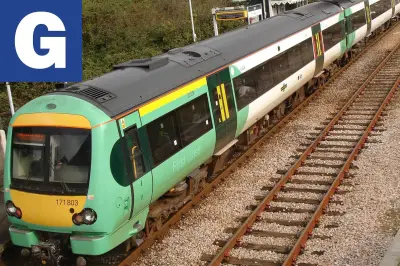
The expansion of contactless payment systems across parts of Britain's rail network has triggered warnings of "eye-watering" fare increases, with a Conservative MP cautioning that some travellers could be priced out of using trains altogether.
Peak Time Shake-Up Sparks Passenger Anger
Pay-as-you-go contactless travel, where passengers tap a bank card or mobile device instead of buying a physical ticket, has been introduced at dozens of stations in southeast England. However, this modernisation has come with a significant catch for many: services previously classified as off-peak have now been re-categorised as more expensive on-peak journeys.
This change, designed to align with Transport for London's (TfL) contactless fare structure, was extended to 30 more stations on December 14, 2025. Rebecca Paul, the Conservative MP for Reigate, has led criticism of the move, stating it risks "pricing passengers out of rail altogether."
Confusing Timetables and Soaring Costs
The practical impact is creating confusion and higher costs. For instance, the first weekday Southern service from Reigate to London that can be used with an off-peak day travelcard now departs at 9.28am, a half-hour later than the previous 8.58am cutoff. Intriguingly, the same 8.58am train can still be accessed with an off-peak ticket if a passenger boards just five minutes later at Redhill.
The financial difference is stark. An anytime day travelcard now costs £37.10, while the off-peak version is £20.60. Furthermore, the cheapest super off-peak tickets have been removed from some stations entirely due to the overhaul.
"This change should make rail travel easier, not more expensive or confusing," Ms Paul argued. "Reigate passengers deserve the benefits of modern ticketing, but I will not stand by while my constituents face higher fares and fewer affordable travel options."
Broader Impact and Industry Response
Lobby group Railfuture highlights that contactless can cost up to twice as much as traditional paper tickets on certain routes, as railcard and child discounts often cannot be applied to the tap-in/tap-out system. They cite the example of a family travelling from Luton to central London, who could pay £84 using contactless, compared to just £41.70 using discounted paper tickets.
Steve Trigg from the Reigate, Redhill and District Rail Users’ Association described the situation as "complex," blaming "massive problems because the DfT won’t talk with ordinary people using the services."
In defence of the changes, a spokesperson for train operator Govia Thameslink Railway (GTR) stated that aligning with TfL's system was necessary to introduce contactless pay-as-you-go. They acknowledged fares would rise for some but claimed they would fall for many others, citing an example where a passenger from Reigate travelling on a weekday off-peak would pay £7.50 compared to a previous £14.60.
"Overall, these changes are not designed to increase the amount of money generated from ticket sales," the GTR spokesperson added.
The Department for Transport (DfT) also supported the move, stating: "Contactless ticketing means passengers are benefiting from simpler, more flexible travel and the majority of single tickets will be the same price or even lower." They emphasised the alignment with London's 'best price promise' to ensure passengers get the best fare on their day of travel.