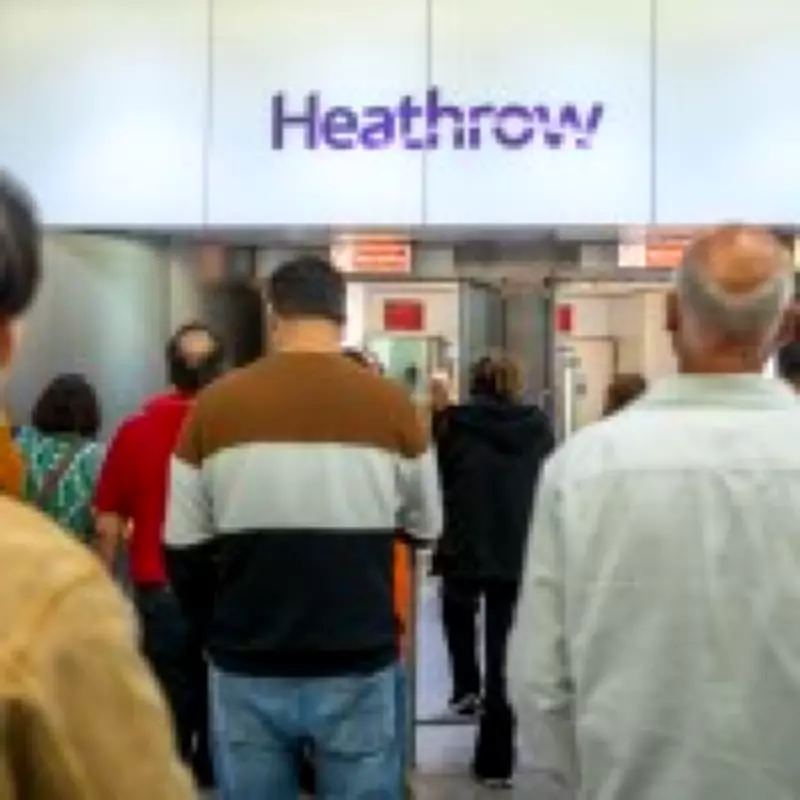
Navigating crowded transportation hubs often feels like an exercise in frustration, whether you are rushing for a morning Tube train or sprinting to catch a flight. The familiar scenario of being trapped behind someone who ignores the "keep right" rule on escalators, or encountering travelers moving against clearly marked one-way staircases, disrupts the smooth flow of commuters and travelers alike. These signs exist for a reason: to maintain order and efficiency. However, this issue extends beyond the London Underground to the skies above, as Heathrow Airport's chief executive, Thomas Woldbye, recently highlighted a similar problem plaguing the UK's busiest airport.
The Terminal Traffic Jam: A Cultural Divide
At an Aviation Club UK event, Woldbye disclosed that Heathrow faces a unique challenge with passengers traversing terminals incorrectly. He humorously noted that one reason Terminal 5 appears crowded—though it technically is not—is due to travelers being in the wrong places. "One of the jokes I have with our people is that all the British people choose the left and all the Europeans keep to the right," Woldbye explained. "And they do that in both directions, so we get everybody crashing into each other." This cultural clash, where British instincts to keep left collide with European habits of keeping right, creates bottlenecks and inefficiencies, something Woldbye has witnessed personally after receiving complaints about overcrowding.
Heathrow's Passenger Volume and Proposed Solutions
With approximately 200,000 passengers flowing through Heathrow's terminals daily, the issue of directional confusion is not trivial. When questioned at the event about handling even more travelers, Woldbye offered a hypothetical solution: "We could change that. We could just make sure that everybody going this way, they keep to the left, and if going that way, keep to the right." While this idea seems straightforward, there are no current indications that Heathrow will implement such a system. Terminal 5 alone serves an estimated 30 million passengers annually, making any changes to passenger flow a significant undertaking.
Instead, Heathrow is focusing on other measures to improve efficiency. Staff are working to "declutter" departure lounges by removing phone boxes, seats, and relocating information counters. These efforts aim to make the airport appear less crowded and enhance passenger comfort. "People will feel more at ease because they can look at it, they can see where they're going to go, they know where their gate is," Woldbye added. Efficiency remains a key priority, especially with recent advancements like the scrapping of the 100ml liquid limit, thanks to new CT scanners introduced as part of a £1 billion rollout. This allows liquids up to two liters to remain in bags during security, streamlining the travel experience across all Heathrow terminals.
Heathrow Expansion and Future Prospects
Looking ahead, Heathrow's expansion plans could further impact passenger flow. The proposed new runway is projected to add 276,000 flights annually, increasing the total from 480,000 to 756,000. This expansion would create at least 30 new daily routes and serve up to 150 million passengers. The £49 billion price tag includes £15 billion for upgrading Terminal 2 and demolishing old terminals, £21 billion for building the new runway and diverting part of the M25 into a tunnel, and £12 billion for a new terminal complex called T5X to handle increased passenger numbers and operations.
As Heathrow continues to grow, addressing the left-right culture clash and other congestion issues will be crucial for maintaining a smooth travel experience. While directional changes remain a hypothetical idea for now, the airport's ongoing efforts to declutter and modernize terminals demonstrate a commitment to improving efficiency for the millions of passengers who pass through its gates each year.