Ukrainian Skeleton Athlete Faces Olympic Ban Over 'Helmet of Memory' Protest
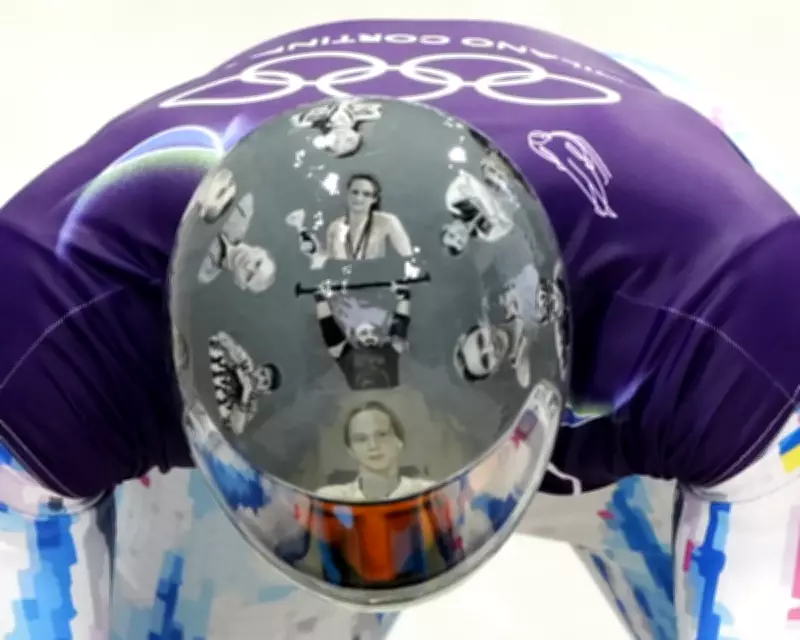
The Ukrainian skeleton racer Vladyslav Heraskevych has been issued a stark warning by the International Olympic Committee (IOC) that he risks disqualification from the Winter Olympics if he wears his distinctive "helmet of memory" during the men's competition scheduled to begin on Thursday. The helmet, which displays twenty images of athletes and children killed since Russia's invasion of Ukraine, has become a focal point of controversy at the games.
Defiance in the Face of IOC Ban
Despite the IOC's formal ban on the helmet announced earlier this week, Heraskevych has continued to practice wearing the headgear, signaling his refusal to comply with the directive. In a social media post published on Wednesday, the athlete escalated his stance, moving from a request to a demand that the IOC lift the prohibition. He described the situation as "theater of the absurd" and argued that the helmet does not violate any existing IOC regulations.
"The IOC has turned the situation with the 'Memory Helmet' into a theater of the absurd," Heraskevych wrote. "Earlier we asked, and now we demand the lifting of the ban on using the 'Memory Helmet' during competitions at the Olympic Games. It is obvious that it does not violate any IOC rules."
IOC's Firm Stance on Political Statements
At a press conference in Milan Cortina, IOC spokesperson Mark Adams urged Heraskevych to reconsider his position while outlining the potential consequences. Adams emphasized that while the IOC sympathizes with the athlete's grief, the field of play must remain free from political statements under Article 50 of the Olympic Charter.
"He can, and we would encourage him, to express his grief but in the end let me be clear," said Adams. "It's not the message, it's the place that counts. There are 130 conflicts going on in the world. We cannot have 130 different conflicts featured, however terrible they are, during the field of play, during the actual competition."
Adams further explained that athletes themselves have advocated for a competition environment devoid of distractions, allowing them to focus on their performance after years of dedication. "This is what the athletes want. They want that specific moment on the field of play to be free from any distraction," he added.
Potential Consequences and Alternative Avenues
When questioned about the repercussions if Heraskevych defies the ban during competition, Adams refrained from speculation but affirmed that rules would be enforced. "I don't think it is helpful to speculate. But obviously there are rules and regulations that the athletes themselves want us to enforce, and they will ultimately be enforced," he stated.
However, Adams expressed the IOC's desire to avoid such an outcome, highlighting alternative methods for the athlete to honor the deceased. The committee has offered Heraskevych the option to wear a black armband as a gesture of remembrance, a concession from previously stricter rules. Adams also cited the example of American skater Maxim Naumov, who honored his parents after competing by showing a photograph, describing it as a "very emotional, very human, spontaneous human gesture."
"We will contact the athlete today, we will reiterate the many, many opportunities that he has to express his grief," Adams said. "He can do so on social media, in the press conferences, in the mixed zone. We will try to talk to him about that, and try to convince him. We would beg him, we want you to compete."
Ukrainian Delegation's Counterargument
The Ukrainian delegation maintains that the helmet does not constitute a political statement but rather an act of remembrance, arguing it should be permitted under Olympic regulations. This stance sets the stage for a potential clash between athlete expression and institutional policy as the competition approaches.
The situation underscores the ongoing tension between personal tributes and the IOC's mandate to keep sports arenas politically neutral, with Heraskevych's case becoming a symbol of this broader debate at the Winter Olympics.