Ukrainian skeleton athlete Vladyslav Heraskevych has been dramatically disqualified from the Milano Cortina 2026 Winter Olympics after refusing to stop wearing a helmet commemorating his countrymen and women killed in the ongoing conflict with Russia. The International Olympic Committee confirmed the decision less than an hour before the first round of the men's skeleton competition on Thursday, effectively ending his participation in the Games.
Final Opportunity Ignored Leads to Expulsion
The 27-year-old skeleton pilot had worn the distinctive helmet throughout all his training runs, but faced a final ultimatum from Olympic officials. 'Having been given one final opportunity, skeleton pilot Vladyslav Heraskevych from Ukraine will not be able to start his race at the Milano Cortina 2026 Olympic Winter Games this morning,' stated an official IOC announcement. The decision was made by the jury of the International Bobsleigh and Skeleton Federation, which determined the helmet violated competition rules regarding athlete expression.
Helmet Features 24 Fallen Athletes
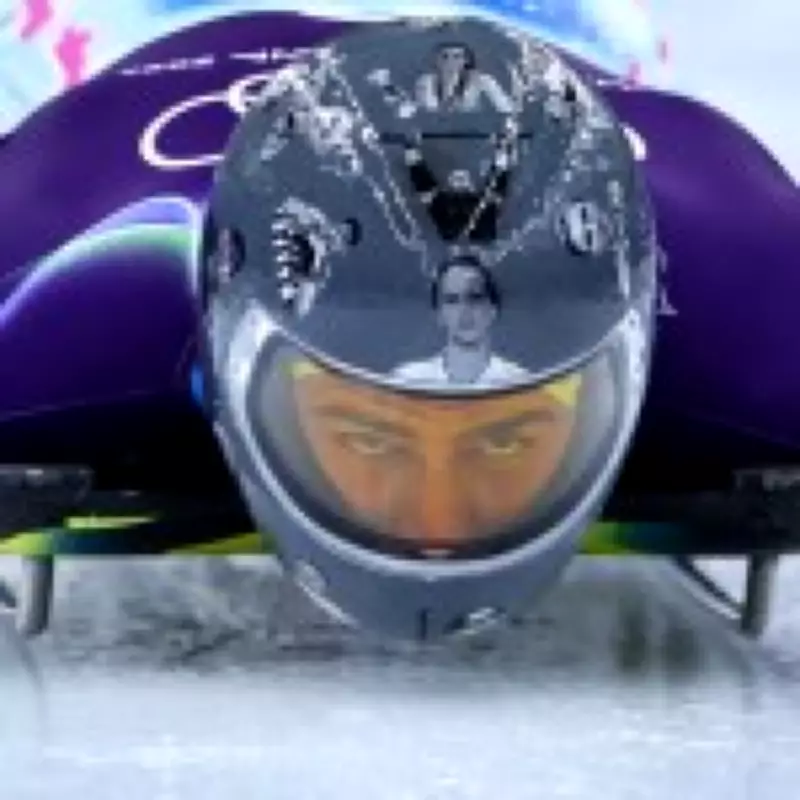
Heraskevych's helmet displays twenty-four images of Ukrainian athletes who have perished since Russia's invasion of Ukraine began in February 2022. The Ukrainian delegation has consistently argued that the helmet serves as a legitimate tribute rather than a political statement, claiming it does not breach any specific regulations. Despite these arguments, Olympic authorities maintained their position that the helmet contravened established guidelines.
Immediate Consequences and Emotional Response
Following the disqualification, Heraskevych has been barred from returning to the athlete's village. The IOC expressed regret in their statement, noting they had 'therefore decided with regret to withdraw his accreditation for the Milano Cortina 2026 Games.' When informed of the decision, Heraskevych told reporters, 'It's hard to say or put into words. It's emptiness,' capturing the profound disappointment of his Olympic dreams being shattered.
Appeal Process Already Underway
The Ukrainian athlete has confirmed he plans to appeal the decision through the Court of Arbitration for Sport, setting the stage for a potentially significant legal battle regarding athlete expression at international sporting events. This case highlights the ongoing tension between Olympic neutrality policies and athletes' desires to express solidarity with their nations during times of conflict.
Broader Context of Olympic Expression Rules
The IOC's Guidelines on Athlete Expression, which formed the basis for Heraskevych's disqualification, have been a subject of controversy in recent years. While designed to maintain the Olympic Games as a politically neutral platform, critics argue they sometimes prevent athletes from meaningfully acknowledging real-world tragedies affecting their communities. This incident at the 2026 Winter Olympics represents one of the most high-profile applications of these guidelines since their implementation.
The disqualification has sparked immediate debate within the international sporting community about where the line should be drawn between appropriate tribute and prohibited political expression. As Heraskevych prepares his legal challenge, the outcome could establish important precedents for how future Olympic Games handle similar situations involving athletes wishing to honor victims of conflict.