Ukrainian Skeleton Athlete Disqualified from Winter Olympics Over War Memorial Helmet
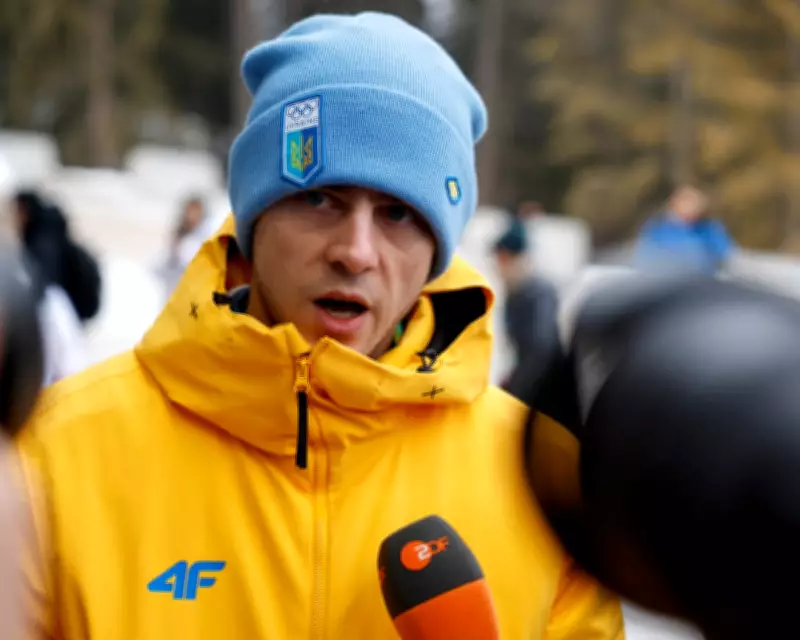
The Ukrainian skeleton racer Vladyslav Heraskevych has been expelled from the Milano Cortina 2026 Winter Olympics following his steadfast refusal to cease wearing a "helmet of memory" dedicated to Ukrainian victims of the ongoing war. The International Olympic Committee announced the disqualification merely 21 minutes before the commencement of the men's skeleton competition in Cortina, concluding a series of unsuccessful last-minute negotiations.
IOC's Final Decision and Statement
In a concise official statement, the IOC confirmed the withdrawal of Heraskevych's accreditation due to "his refusal to comply with the IOC's Guidelines on Athlete Expression." The decision was formally executed by the jury of the International Bobsleigh and Skeleton Federation, which determined that the helmet intended for competition violated established regulations.
The IOC expressed regret over the outcome, emphasizing that Heraskevych had been provided with a final opportunity to conform. The statement clarified, "The essence of this case is not about the message, it is about where he wanted to express it." The helmet featured twenty images of athletes and children who have perished since Russia's invasion of Ukraine.
Failed Negotiations and Compromise Offers
Despite multiple discussions and a personal meeting with IOC President Kirsty Coventry on the morning of the competition, Heraskevych declined all proposed compromises. The IOC had offered alternatives, including the permission to wear a black armband during the event or to display the helmet exclusively in training sessions and post-competition interviews.
The Ukrainian delegation had consistently argued that the helmet served as a memorial and did not breach any legal statutes. However, this perspective was ultimately dismissed, with the IOC maintaining that political statements are prohibited during competitions under Article 50 of the Olympic Charter.
Athlete's Final Appeal and IOC's Response
Prior to the disqualification, Heraskevych issued a public plea to the IOC, requesting the lifting of the ban on his helmet, an apology for the perceived pressure exerted upon him, and the provision of electric generators for Ukrainian sports facilities affected by conflict. He stated, "I never wanted a scandal with the IOC, and I did not create it. The IOC created it with its interpretation of the rules, which many view as discriminatory."
The IOC reiterated its support for athletes in mourning, highlighting the availability of multifaith centers and designated mourning spaces within Olympic Villages. The organization underscored its willingness to accommodate expressions of grief through approved channels, such as black armbands under specific circumstances.
This incident has ignited a broader debate regarding the boundaries of athlete expression at international sporting events, particularly in contexts of global conflict and humanitarian crises.