Milan's Winter Olympics: A Tale of Glamour and Local Apathy
Milan is showcasing its breathtaking beauty during the Winter Olympics, with sun-drenched, centuries-old streets appearing majestic and pristine. Luxury brands like Prada, Gucci, and Ralph Lauren dominate every corner, complemented by an abundance of Michelin Guide restaurants. It's little wonder that London has been losing non-domiciled residents and wealthy investors to this magnificent metropolis.
An Unexpectedly Quiet Olympic Atmosphere
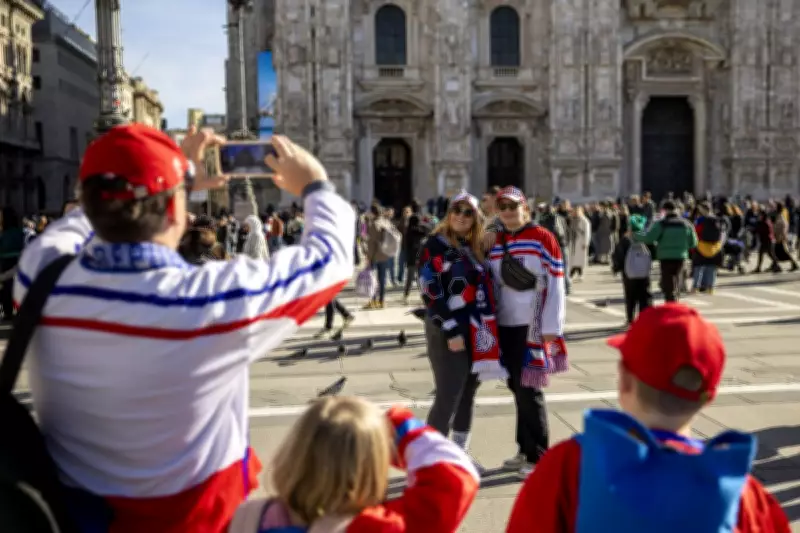
However, the city feels surprisingly quiet—too quiet for an Olympic Games. The expected buzz is noticeably absent. Upon closer inspection, you might spot the occasional sports jersey peeking out from beneath gilets and Barbour jackets, but the vibrant energy typically associated with such global events is missing.
On the eve of my first ice hockey game, I explored the city center in search of a bar to connect with fellow fans. To my dismay, most establishments were closed. Shops were shuttered, and bars remained shut on Mondays—a policy unchanged even for the Olympics. Just as I was about to give up, I stumbled upon a trusty Irish pub with its lights still on and managed to secure the last seat at the bar.
Insights from an Olympic Organizer
On the television, a Serie A football match played, while next to me sat a visitor from Los Angeles. He was part of the team organizing the 2028 Summer Olympics and had come to Milan to glean lessons. He confidently predicted that the vibe in LA would be far superior. "From the moment you touch down at the airport, it'll feel fucking electric," he declared with characteristic American understatement. "Every bar will be open late, every street will host a party."
By 10 p.m., the last pub in Milan was jam-packed, and they had run out of Guinness. When I asked the bartender for alternatives on tap, she informed me she couldn't assist—her shift had just ended.
Infrastructure Challenges and Delays
The following morning, I headed to the Milano Santagiulia Ice Hockey Arena for my first game. True to the stereotype of Italian efficiency, Milan had not completed construction of its new hockey arena by the time the Games began. As I entered, loose wires still dangled from the ceiling, awaiting connection—hopefully to nothing critical.
The arena's capacity fell several thousand short of the original plan because deadlines for building the stands were not met. All seats at one end were missing, replaced by a giant black wall, perhaps an attempt to conceal the unfinished area from television cameras.
Rink Issues and Sponsorship Complications
Additionally, the rink faced problems with non-standard dimensions. Mere weeks before the Winter Olympics commenced, the NHL—the world's largest hockey league—threatened not to send players to Italy due to these issues and a failed ice quality test. Fortunately, their concerns were eventually placated.
Inside the stadium, various food shops were labeled "future market." Similar to the now-closed London Amazon Fresh stores, these outlets allowed patrons to tap their cards to open gates, with cameras and sensors tracking items for automatic payment upon exit. This system, if well-designed, could significantly speed up snack queues during game intervals by eliminating payment friction.
However, for Winter Olympics sponsorship reasons, the stores only accepted Visa cards. This policy confounded the hordes of American hockey fans armed with Amex cards, resulting in much longer queues instead.
Contrasting Moods Inside and Outside the Venue
Despite these challenges, the mood inside the venue was fantastic, filled with excitement and camaraderie. Yet, beyond the arena walls, the rest of Milan seemed to shrug its shoulders, displaying a palpable indifference to the global spectacle unfolding in its midst.