Australia's Winter Olympic Campaign Stumbles in Milano Cortina
Australia's quest for Winter Olympic glory in Milano Cortina has encountered significant obstacles, with injuries and unexpected slip-ups derailing what was anticipated to be a record-breaking medal haul. The team, clad in yellow and green, entered the 2026 Games with high expectations but has so far failed to secure a single medal after nearly a week of intense competition.
Defending Champion's Costly Mistake
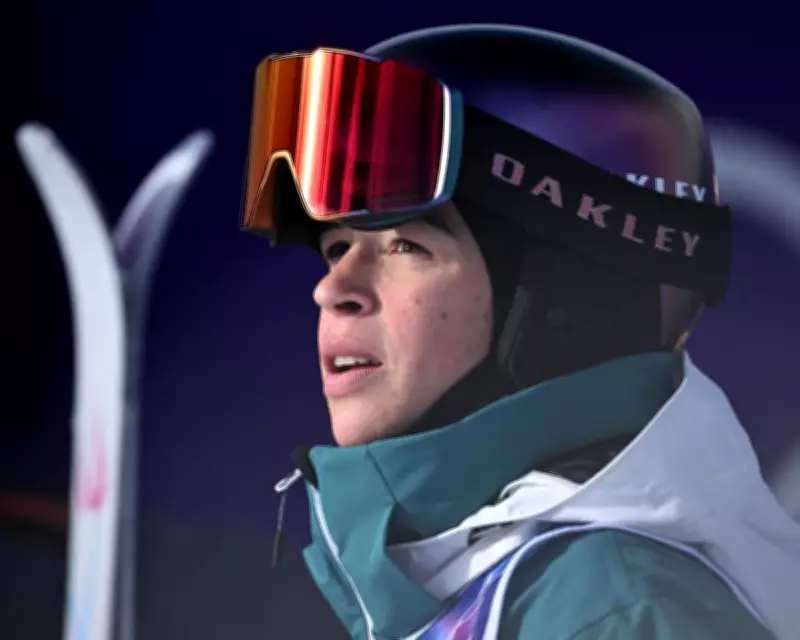
The most dramatic setback came in the women's moguls final, where defending gold medalist Jakara Anthony experienced a heartbreaking fall. Anthony, who had dominated qualifying and recorded the highest score in the first round of the finals, couldn't maintain her form in the crucial final run. The 27-year-old skier, considered one of Australia's strongest medal contenders, finished last among the eight finalists after losing control on a hill she had previously mastered twice.
"I'm bummed," Anthony expressed afterwards, sentiments that resonate with much of the Australian team during these challenging opening days of the Winter Games.
Injury Crisis Hits Australian Team
The Australian team's difficulties began even before competition started, with two Covid cases among staff at their training base putting officials and athletes on edge. The medical emergencies have only escalated since then:
- Aerials veteran Laura Peel sustained what was described as a "significant knee injury" just days before the opening ceremony
- Skier Daisy Thomas landed awkwardly during training, further damaging her previously injured right knee
- Snowboarder Cam Bolton suffered a broken neck during training and was airlifted out before his snowboard cross event could begin
- Snowboarder Misaki Vaughan missed her halfpipe competition after failing a head injury assessment
These injuries have significantly impacted Australia's medal prospects, with several key athletes either withdrawing or competing at less than full capacity.
Near Misses and Remaining Hope
Despite the setbacks, Australia has come close to breaking their medal drought. Snowboarder Val Guseli narrowly missed a medal in the men's big air, leaving his final rotation just a few degrees short. Tess Coady finished seventh in the women's big air final, marking the first time Australia had two snowboarders in that event's final round.
There remains optimism within the team, particularly with snowboarder Scotty James still to compete in the halfpipe final. The 31-year-old, who entered the Games as one of Australia's strongest medal hopes alongside Anthony, impressed during qualifying and earned praise from American snowboarding legend Shaun White.
"Scotty James had the momentum but I thought he'd run out of it before the Games," White told Channel Nine. "Now I think he's hitting [his peak] right as the Games are here."
Australia's Winter Sports Evolution
Australia's performance in winter sports represents a remarkable evolution for a country with limited natural snow conditions. Since winning their first Winter Olympic medal in 1994 (a bronze in short-track relay), Australia's medal tally has consistently improved, reaching a record four medals at the 2022 Beijing Games, including Anthony's gold in moguls.
Australian chef de mission Alisa Camplin highlighted the team's "breadth and depth" before competition began, noting that eleven athletes had won World Cup medals in recent months. Many of these athletes are still to compete, including Anthony in the dual moguls and 16-year-old ski phenomenon Indra Brown.
Financial Realities for Winter Athletes
The challenges facing Australian winter athletes extend beyond competition. Many team members have turned to fundraising to support their Olympic dreams, with Brown raising nearly $31,000 through the Australian Sports Foundation. Other athletes, including ski-mountaineer Lara Hamilton and bobsledder Sarah Blizzard, have raised $40,000 and $21,000 respectively.
Despite increased federal government support, including an additional $2 million pledged last year, these athletes remain far from professional status. They must maximize their limited opportunity to connect with fans during these brief two weeks of Olympic competition.
As the Games approach their halfway point, the Australian team faces increasing pressure to deliver results. In a winter sports landscape that remains foreign to many Australians back home, winning medals represents the most effective way to capture national attention and build lasting support for winter sports development.