Wimbledon's New Exhibition Uncovers the Championships' Culinary Past
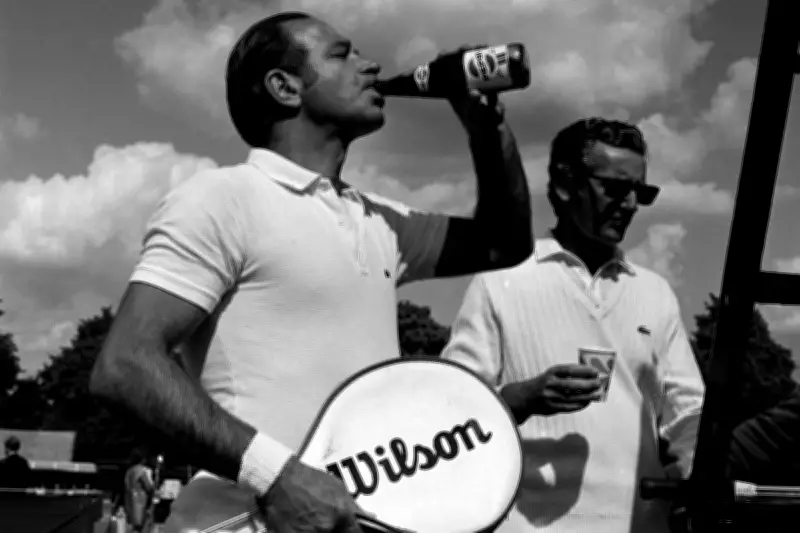
A fascinating new exhibition at the Wimbledon All England Lawn Tennis Club, titled A Slice of History: Food and Drink at Wimbledon, delves into the often-overlooked culinary traditions and anecdotes that have shaped the prestigious tennis tournament. Open now and running until autumn 2026, this display is part of the long-running museum and offers a unique glimpse into how food and beverages have influenced players and spectators over the decades.
Hedonistic Habits of Historic Champions
One of the standout stories features Suzanne Lenglen, a six-time Wimbledon women's singles champion in the 1920s, often compared to Serena Williams for her dominance. In breaks between games, Lenglen would reportedly drink champagne or cognac, passed to her by her father or coach. She even claimed that sobriety negatively affected her performance, highlighting a stark contrast to modern player care standards.
Another tale involves Blanche Bingley, also a six-time ladies' singles champion, who in 1907 consumed an astonishing amount of food during a rain delay. She ate two bath buns, seven slices of bread, seven biscuit cakes, three slices of other types of cake, and three plates of strawberries before falling asleep. Upon being summoned back to court after the rain stopped, she lost her semi-final match, a testament to the impact of such indulgence.

From Fizzy Drinks to Iconic Desserts
The exhibition also explores more recent history, such as the sponsorship by Coca-Cola in 2007, when fizzy drinks were available from on-court dispensers. Curator Clio O'Sullivan notes, "You kind of mistakenly think of the past as this prim and proper time," emphasizing how perceptions of propriety have evolved.
Items on display include Maria Sharapova's Evian dress, Serena Williams' strawberries and cream outfit, a Pimm's bottle from 1968, recreations of historical picnics, branded umpires' chairs, and 1930s 'Nippy' uniforms worn by service staff. A dedicated section celebrates the iconic strawberries and cream, detailing their association with Wimbledon, sourcing methods, annual serving numbers, and even what happens to leftovers. The rationale for this tradition is surprisingly simple: strawberries are in season during the tournament.
Looking Ahead to Wimbledon's 150th Anniversary
Next year marks the 150th anniversary of Wimbledon, and O'Sullivan is already planning a retrospective exhibition on the championships' origins. She aims to transport visitors back to 1877, when only 200 people attended, entry cost a shilling, and 22 players paid a guinea to compete. This upcoming project promises to further enrich the museum's offerings, building on the current exhibition's success in bringing culinary history to life through images and infographics.