Super League 2026 Launches with Expanded Format and Nostalgic Returns
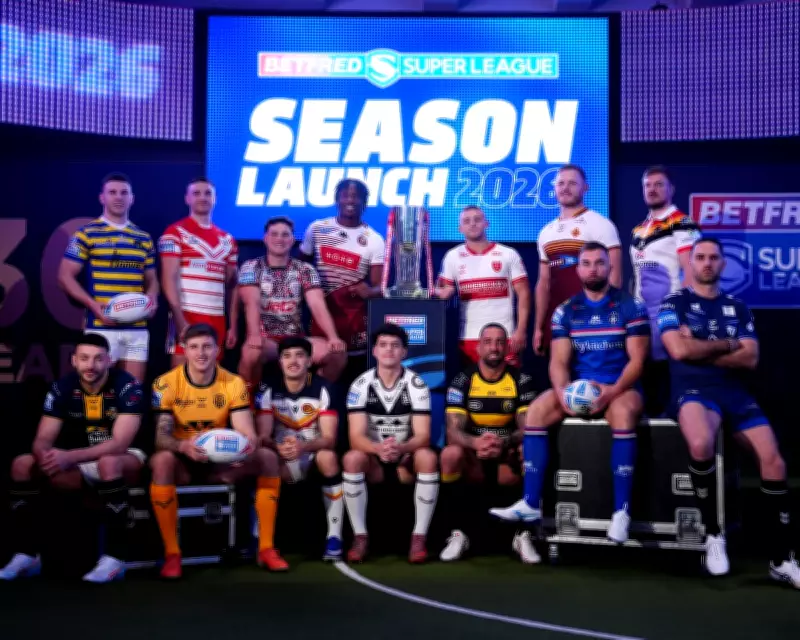
Super League 2026 commences on Thursday evening, marking a significant milestone with its newly expanded structure. This season, the competition returns to a 14-team format, reminiscent of its early days, featuring the debut of York Knights and the comeback of Toulouse Olympique. Notably, former champions Bradford Bulls rejoin the elite division, replacing Salford Red Devils, who faced financial difficulties.
Historical Parallels and Modern Innovations
Thirty years after its inaugural season in Paris, Super League 2026 echoes themes from its past while embracing new opportunities. The expansion to 14 teams follows over a decade of a 12-team competition, injecting fresh energy into the sport. York Knights will host defending champions Hull KR in their opening match, with a sold-out crowd expected in North Yorkshire. Hull KR's schedule includes a World Club Challenge against Brisbane Broncos and a high-profile clash with Leeds Rhinos in Las Vegas, highlighting the sport's growing international appeal.
Bradford Bulls' return adds a layer of intrigue, as the club, once a dominant force with four Super League titles in the early 2000s, has navigated bankruptcy and lower-tier reforms to reclaim its place at the top. Their season opener at Hull FC on Saturday is anticipated to boost attendance figures, alongside Toulouse's re-entry, which strengthens rugby league's presence in France and has already spurred a new TV deal for broadcasting their games and those of Catalans Dragons across the Channel.

Broadcast Challenges and Financial Realities
Despite positive trends in attendance and profile enhancement through IMG's partnership, Super League faces critical broadcast negotiations. Sky Sports, a long-term partner since 1996, has seen the value of its deal diminish over the past decade, with central distributions to clubs dropping significantly. Currently, York and Toulouse receive approximately £650,000 each, while other teams get £1.3 million, a stark contrast to the over £2 million per club a decade ago.
The broadcast landscape is rapidly evolving, and with Sky's contract ending this year, Super League's future hinges on securing a lucrative deal. Industry insiders hope for new broadcasters to enter the fray, potentially sparking a bidding war. A decision is expected before summer, as the sport's financial sustainability is under scrutiny. Recent liquidations, such as Halifax Panthers in the second tier, underscore the precarious state of rugby league finances, with many clubs reliant on owner funding.
Strategic Shifts and Future Prospects
To address these challenges, Super League is exploring innovative strategies. Events like Magic Weekend and games in Las Vegas and Dublin demonstrate a push to expand beyond traditional boundaries. Clubs like Wigan and Warrington are leading efforts to tap into new markets, reflecting a broader shift towards an events-driven culture.
At its core, rugby league shows untapped potential, with IMG's initiatives driving improvements in metrics like TV viewership and fan engagement. The addition of three new teams and extra matches per round promises to enrich the competition's narrative depth. However, the underlying broadcast and financial issues will shape Super League's trajectory, making 2026 a pivotal year that could redefine the sport's outlook by year-end.