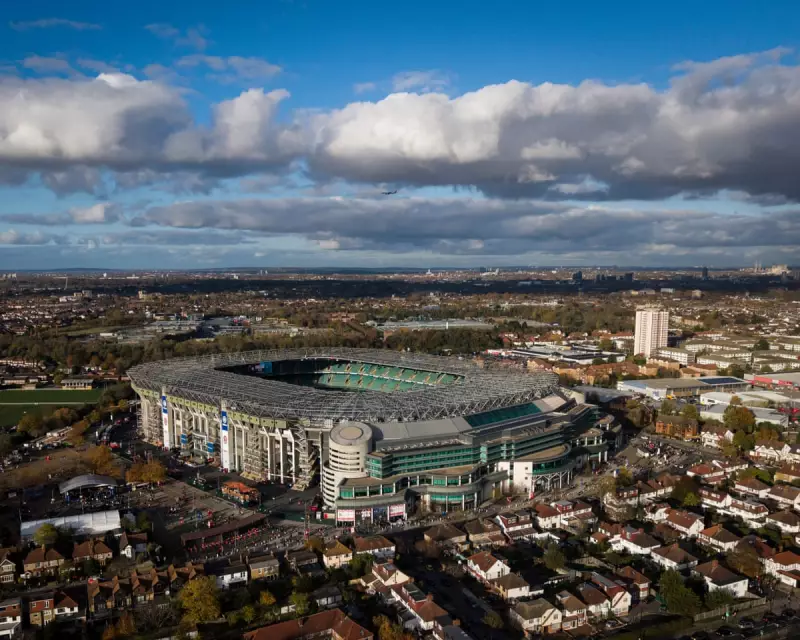
The Rugby Football Union (RFU) is unveiling fresh proposals to address longstanding concerns from Twickenham residents, in a bid to secure approval for hosting more concerts at the iconic stadium. These events are deemed essential to fund a substantial £660 million upgrade to the venue, ensuring it remains competitive with modern arenas like Wembley and the Tottenham Hotspur Stadium.
Addressing Transport and Anti-Social Behaviour
At a drop-in session for residents, the RFU will present detailed plans aimed at mitigating issues that have previously stalled their efforts. Key among these is a proposed overhaul of Twickenham rail station, which could potentially double passenger capacity per train. This revamp is designed to alleviate the severe congestion that currently plagues matchdays, where around 38,000 spectators—45% of attendees—rely on the station, leading to road closures lasting up to three and a half hours post-events.
In addition to transport improvements, the union is introducing measures to combat anti-social behaviour, a major point of contention for local opponents. This includes the deployment of "plain clothes officers," a mix of police and stewards, alongside "civil enforcement officers" to issue fixed penalty notices. The RFU has even considered innovative solutions like "anti-pee paint" to deter public urination, highlighting the extent of their commitment to addressing community grievances.
Financial Imperatives and Local Opposition
The push for more concerts stems from a critical financial need. The RFU has emphasised that increasing non-sporting events from the current limit of three per year to up to 15 is vital to justify the £660 million investment in stadium upgrades. RFU chief executive Bill Sweeney has stated that these events are not a negotiation tactic but a necessity, contributing over £90 million to the local economy and more than £100 million to greater London.
However, the union faces significant hurdles. Last year, Richmond council expressed "significant concerns" over transport links and maintained a cap of three concerts annually, with only one allowed on a non-Saturday. This decision followed considerable opposition from residents, with 192 representations against the proposal compared to just 13 in favour at a licensing subcommittee meeting.
Strategic Moves and Future Plans
The RFU is preparing to resubmit planning and licensing applications after local elections in May, optimistic that their new proposals can overcome previous obstacles. They plan to enhance dialogue with South West Trains, improve queueing systems at the station to shorten road closures, and promote the use of alternative transport networks like the District and Piccadilly lines from Richmond and Hounslow East. Currently, only about 2% of spectators use these options, but the RFU aims to increase this to 10% through better education and LED signage.
Sweeney has hinted that failure to secure more concerts could force the RFU to consider relocating to venues in Milton Keynes or Birmingham, underscoring the high stakes involved. The union's frustration is palpable, as they see other stadiums operating under looser restrictions, enabling them to host lucrative events like Beyoncé concerts, which Twickenham has missed out on due to current limitations.
As the RFU navigates this complex landscape, the outcome will not only shape the future of Twickenham Stadium but also impact the local community and the broader economic landscape of the area.