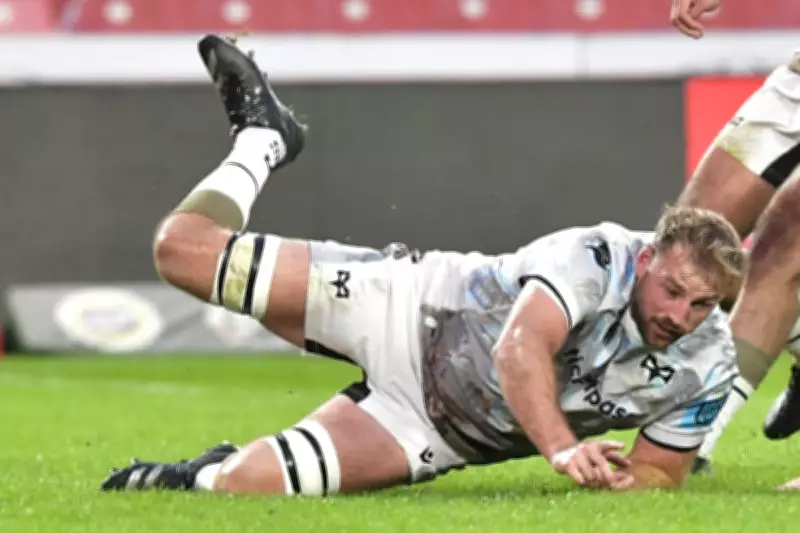
The Competition and Markets Authority case into the sale of Cardiff Rugby and the future of the Ospreys is not yet active, despite calls from Swansea Council for an urgent investigation. The local government of Wales's third-largest city has formally requested that the CMA examine the proposed takeover of Cardiff Rugby, a move that could result in the loss of professional men's rugby in Swansea.
Background of the Controversial Sale
Cardiff Rugby, which is owned by the Welsh Rugby Union, has entered into exclusive discussions with Y11, a company that already owns the Ospreys. This development has raised significant concerns about the future of the Ospreys, historically the most successful region in Welsh rugby. The WRU's plans to reduce the number of professional rugby teams in Wales from four to three have intensified these worries, with Swansea Council highlighting the potential for one ownership group to control two major clubs.
Swansea Council's Stance and Financial Commitment
Swansea Council has pledged £1.5 million as part of a deal to redevelop St Helens, where the Ospreys intend to play after departing the city's Championship football ground. However, uncertainty looms over whether the Ospreys will continue as a professional club beyond the 2026-27 season. Many observers view Y11's interest in purchasing Cardiff Rugby as a potential death knell for the Swansea-based team.
Council leader Rob Stewart emphasized the urgency of the situation, stating, "We cannot accept a situation where decisions are made behind closed doors to remove one of Wales's four professional teams and leave Swansea without top-level rugby. We are asking the CMA to step in urgently to protect competition and give our city and region the fair treatment it deserves."
Current Status of the CMA Case
City AM has learned that the CMA has received a letter from Swansea Council, but as of the latest reports, the case is not yet live. The council's concerns specifically focus on the proposed reduction of professional teams from four to three, the process for allocating licences, and the potential anti-competitive implications of one entity controlling two Welsh rugby clubs.
The outcome of this situation could have profound implications for the landscape of professional rugby in Wales, affecting not only the teams involved but also the communities and fans in Swansea and beyond.