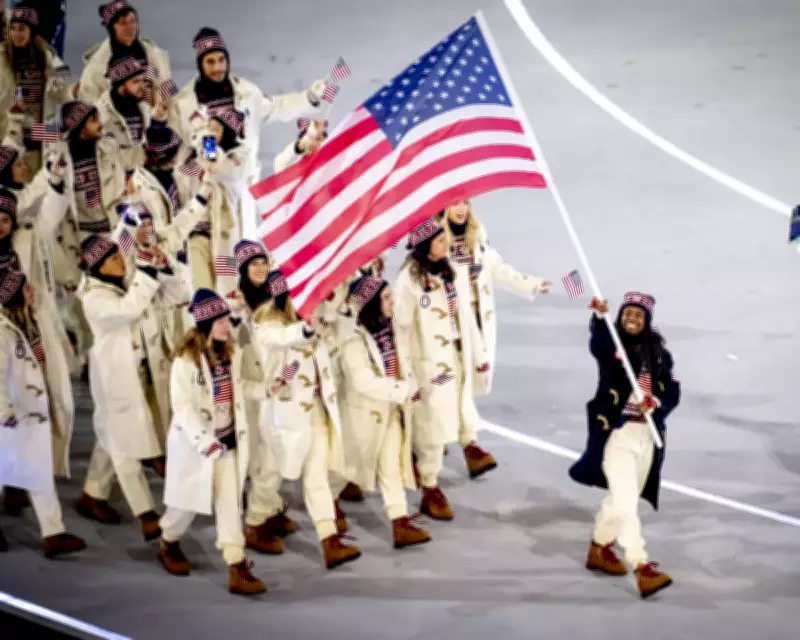
Several members of Team USA have voiced their complicated emotions regarding representing the American flag during a period of heightened political tension. As the Milano Cortina Games unfold, athletes are navigating a delicate balance between national pride and personal discomfort, with their comments sparking fierce reactions from political leaders and online communities.
Pride and Unease: Athletes Confront Political Realities
US Winter Olympians are speaking more openly than at any time since Donald Trump's return to the White House, describing a nuanced mix of pride and unease about competing for their country. This openness comes as political divisions at home and abroad increasingly influence the Olympic atmosphere, creating a challenging environment for athletes who wish to focus on sport.
Trump's Criticism and Athlete Responses
Former President Donald Trump intensified the debate on Sunday, stating it was difficult to support American athletes who publicly question his administration's policies. He specifically criticised freestyle skier Hunter Hess after the Oregon native expressed "mixed emotions" about competing in the current political climate.
Trump's social media post failed to capture the subtlety of Hess's remarks, instead labelling him "a real loser" and suggesting he should not have tried out for the team if he felt ambivalent about representation.
Athlete Perspectives on National Representation
During a news conference in Milan, members of the US freeski team addressed how they feel about representing their nation amid heightened immigration enforcement and domestic political division. Hess emphasised a distinction between representing his country and endorsing every policy enacted in its name.
"If it aligns with my moral values, I feel like I'm representing it," Hess explained. "Just because I'm wearing the flag doesn't mean I represent everything that's going on in the US."
Fellow freestyle skier Chris Lillis echoed similar sentiments, expressing heartbreak about recent developments in US immigration policy while maintaining that his Olympic appearance represents an opportunity to showcase a different vision of America.
Backlash and Online Hostility
The athletes' comments have triggered significant backlash beyond political circles. Figure skater Amber Glenn, who won Olympic gold in the team event, reported receiving a "scary amount" of hate messages and threats after speaking about the difficult political moment facing LGBTQ+ Americans. She subsequently announced she would be taking a break from social media.
The US Olympic and Paralympic Committee confirmed it is monitoring abusive online activity directed at athletes and collaborating with social media platforms and law enforcement when credible threats emerge.
Support from Former Olympians
Team GB freestyle skier Gus Kenworthy, who previously represented the United States, revealed he had received death threats after posting criticism of US Immigration and Customs Enforcement on social media. Kenworthy voiced support for current US athletes expressing discomfort with the political climate, emphasising that loving one's country doesn't necessitate agreement with every government policy.
Political Backdrop and International Tensions
The situation has unfolded against a visible political backdrop in Italy, where Vice-President JD Vance spent five days in Milan attending Olympic events alongside US Secretary of State Marco Rubio. Vance's presence, which drew audible boos during the opening ceremony, contributed to the politically charged atmosphere.
Meanwhile, the Trump administration's more aggressive international posture – including tariffs on allies and military action in Venezuela – has strained relations with traditional partners, further influencing the Games' political environment.
Athlete Safety and Mental Health Concerns
The speed and scale of online reactions to athletes' political comments have raised new concerns about competitor safety and mental health. While many athletes have stopped short of directly attacking the administration, they emphasise distinguishing between government and country.
Snowboard star Chloe Kim and cross-country skier Jessie Diggins have both spoken about representing core American values like inclusion, opportunity and community, even while acknowledging political divisions. Kim framed the moment through her family's immigration story, saying recent events had "hit really close to home."
Broader Implications for Olympic Sport
This dynamic reflects a longer Olympic history of athletes navigating national identity and personal conscience, though the digital age has amplified both the reach and intensity of reactions. The tension has intersected with protests in Italy linked to the presence of US immigration enforcement personnel supporting Olympic security operations, reinforcing the sense among some athletes that domestic political debates are following them to the global stage.
Alpine skier Mikaela Shiffrin struck a careful balance, maintaining that representing the United States remains "an honor and a privilege" while hoping to demonstrate values of diversity, inclusion and respect through her performance.
Taken together, comments from several US athletes and former Olympians point to what many see as a defining tension of modern Olympic sport: representing a nation while maintaining individual political and moral beliefs. As Hess summarised: "I'm representing my family, my community, the people who helped me get here. That's what wearing the flag means to me."