Australian Prime Minister Rejects Crocodile-Infested River for Olympic Rowing
Prime Minister Anthony Albanese has firmly stated that the Fitzroy River, a known habitat for saltwater crocodiles, does not represent a sensible option for hosting Olympic rowing events during the Brisbane 2032 Games. This declaration comes amidst a growing political confrontation between federal authorities and Queensland state officials, who are adamant about utilizing the river for the prestigious international competition.
Queensland Deputy Premier Issues Ultimatum to International Olympic Committee
Queensland Deputy Premier Jarrod Bleijie has escalated tensions by issuing a stark ultimatum to the International Olympic Committee (IOC). Bleijie asserted that rowing will not occur at the Brisbane Games unless it takes place on the mighty Fitzroy River in Rockhampton, located over 600 kilometers north of Brisbane. This bold stance threatens to disrupt 136 years of continuous Olympic rowing history, dating back to the sport's inclusion after being canceled in 1896 due to stormy seas.
The deputy premier emphasized the Queensland government's unwavering commitment to Rockhampton, stating, "Rowing is gonna be in Rocky. If they don't want it in Rocky – it ain't happening. That's a big call for the IOC." Bleijie later clarified that his comments did not imply an actual cancellation of the event but rather reflected the government's determination to secure the location.
Technical Concerns and Safety Considerations
World Rowing and Rowing Australia have both expressed reservations about the Fitzroy River's suitability for international competition. While saltwater crocodiles present obvious safety concerns, the organizations have highlighted more technical issues, including water quality, current patterns, and weed growth. The river has not yet undergone the comprehensive assessment required to meet strict international racing standards.
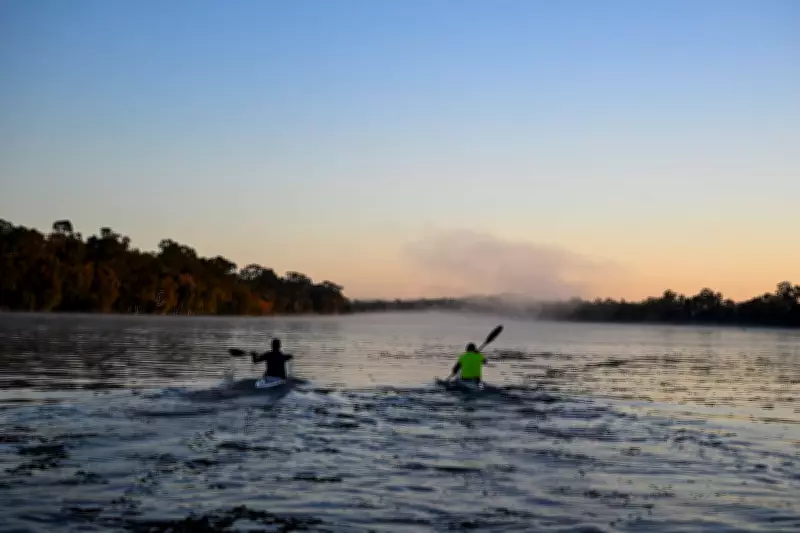
Despite these concerns, local rowers and canoeists regularly use the river above the barrage that separates saltwater and freshwater sections. Park rangers are tasked with removing large crocodiles from this area, though the presence of these predators remains a significant point of contention.
Political Brinkmanship and Olympic History
University of Sydney sports studies senior lecturer Steve Georgakis characterized the situation as typical Olympic political maneuvering. "This is a bit of bravado," Georgakis explained, noting that similar scenarios have played out in previous Games, such as concerns surrounding the Schinias rowing centre before the 2004 Athens Olympics.
Georgakis suggested that Bleijie's strong stance serves dual purposes: reassuring Rockhampton residents of government support and applying pressure on the IOC to approve necessary facility upgrades. "The IOC expects they will have the very, very best facilities," Georgakis noted, adding that the committee often uses the threat of relocation to ensure standards are met.
Alternative Venues and Future Implications
The IOC theoretically could relocate rowing events to Penrith's international regatta centre, built for the 2000 Sydney Olympics. Additionally, Moreton Bay has submitted an official bid to host rowing closer to Brisbane. However, Georgakis predicts that Brisbane organizers will ultimately make the necessary concessions to appease the IOC, ensuring rowing proceeds in Rockhampton.
This controversy highlights the complex negotiations between Olympic hosts and international governing bodies, particularly when unique environmental factors like dangerous wildlife intersect with world-class sporting requirements. The outcome will set important precedents for how future Olympic hosts balance local interests with international standards.