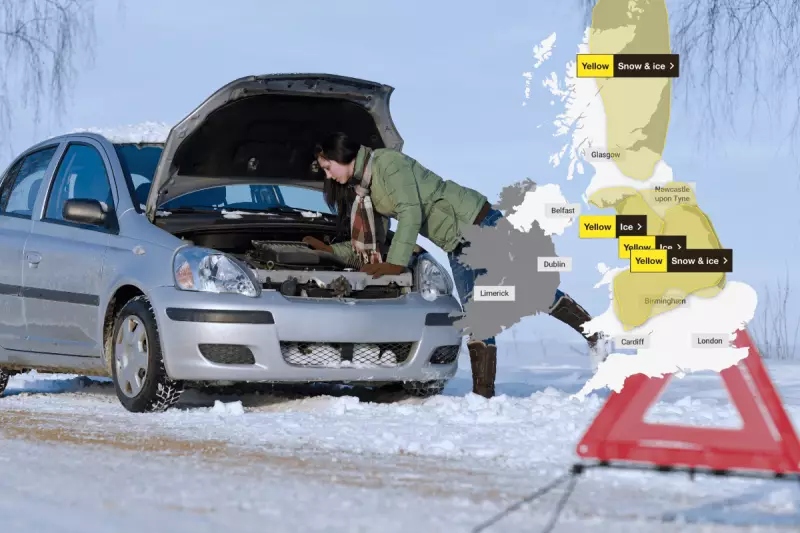
As temperatures plummet across the UK, motorists are being urged to take simple, cost-free steps to protect their vehicles from winter's worst. With the Met Office forecasting freezing conditions, a leading motoring expert has outlined a series of zero-pound fixes that can dramatically reduce the risk of a debilitating and potentially dangerous breakdown.
Essential No-Cost Checks for Every Driver
Gareth Butterfield, writing on 2nd December 2025, emphasises that while winter is notoriously harsh on cars, effective preparation doesn't require a hefty budget or advanced mechanical skills. Some of the most impactful preventative measures are completely free and take mere minutes to complete, less time than it takes to defrost a windscreen on a frosty morning.
Colder months put immense strain on vehicles. Batteries lose efficiency, tyres become less effective, and ice can render a car immobile. Breakdown recovery services report a significant spike in callouts during this period. However, by addressing a few key areas, drivers can greatly enhance their vehicle's reliability.
Critical Areas for Immediate Attention
Tyre Pressure: This is a paramount check. Cold air contracts, leading to underinflated tyres. This not only causes poor fuel economy and unstable handling but is a major contributor to winter breakdowns. Checking pressures is often free at garage forecourts and is a quick win for safety and efficiency year-round.
Screenwash: An often-overlooked fluid becomes crucial in winter. Gritted roads create a filthy slurry that quickly obscures vision. Ensuring the reservoir is full with a proper winter-grade screenwash mixture, designed not to freeze, is vital. Using plain water is a false economy as it can freeze solid, rendering the system useless when you need it most.
Battery Care: Flat batteries are among the top reasons for breakdown callouts. The simplest preventative measure is to use the car regularly, as batteries self-discharge faster in the cold. A weekly run helps maintain charge. Additionally, a visual check and gentle wiggle of the battery terminals can identify corrosion or loose connections before they cause a failure.
Simple Habits for Winter Resilience
Fuel Levels: Avoid running the tank too low. Maintaining at least a quarter of a tank provides a crucial buffer if you're caught in traffic or diverted due to bad weather. It also helps prevent condensation from forming inside the fuel tank on freezing mornings, which can lead to fuel line issues.
Clearing Scuttles and Drains: After autumn, leaves and debris can block drainage channels around the windscreen and sunroof. If clogged, water can seep into the cabin or electrical systems, causing steaming windows or, in a worst-case scenario, an electrical fault leading to a breakdown. A quick clear-out is a free and effective fix.
Butterfield notes that while these free checks are highly effective, drivers should also consider tools like the AA app, which can automatically share a stranded driver's GPS location with a patrol. The organisation is currently running a seasonal promotion, offering 50% off its breakdown cover, which ends once you sign up and add certain cover options.
By dedicating a small amount of time to these no-cost measures, UK drivers can face the winter months with far greater confidence, ensuring their vehicle remains dependable through the frost, ice, and grime of the season.