Aramco's Formula 1 Ties Could Reschedule Saudi Arabia Grand Prix
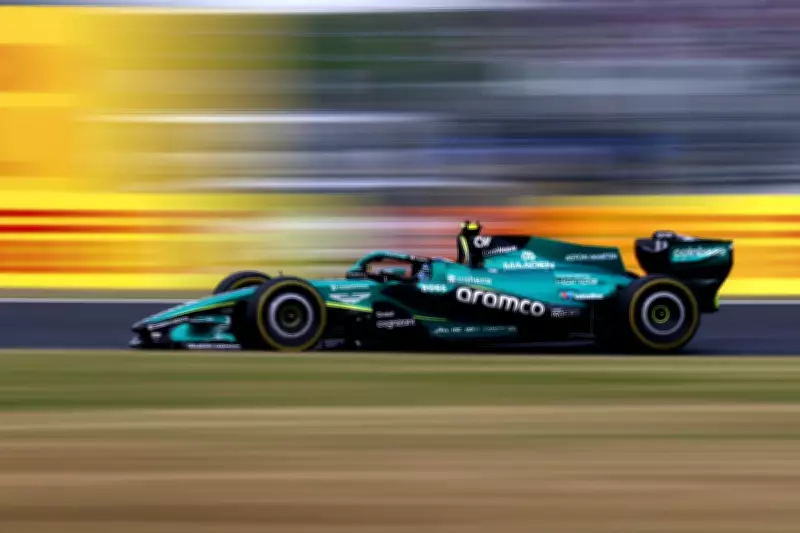
The Saudi Arabia Grand Prix, which was cancelled following the outbreak of conflict in the Gulf region, could potentially be revived and rescheduled for later this year, according to multiple sources. This development is largely attributed to the significant influence of oil giant Aramco, which holds strong sponsorship ties with Formula 1.
Postponement Due to Regional Conflict
Both the Bahrain and Saudi Arabian grands prix, originally scheduled for April, were officially postponed by Formula 1 after the escalation of hostilities involving the United States, Israel, and Iran. Formula 1 released a statement confirming that "Bahrain and Saudi Arabian grands prix will not take place in April", while leaving open the possibility for rescheduling these events later in the season.
The conflict has created substantial uncertainty across the region, making calendar adjustments challenging. City AM has learned from several sources that Saudi Arabia is actively pushing for a spot on the revised Formula 1 calendar, though the volatile situation continues to complicate these efforts.
Aramco's Potential Influence on Scheduling
Former Formula 1 driver Robert Doornbos has provided insight into how Aramco's connections might impact the racing calendar. Speaking to Dutch media, Doornbos emphasized that Aramco's role as a major Formula 1 sponsor and promoter of the Jeddah event could be decisive in returning the Saudi race to the schedule before year's end.
"We know Aramco as the sponsor of Formula 1," Doornbos stated. "They are promoting the event in Jeddah enormously, because that is their gem. Jeddah could yet come back to the calendar this year."
Complex Calendar Logistics
The potential rescheduling presents significant logistical challenges. The current Formula 1 season concludes with races in Qatar and Abu Dhabi, which follow just one week after the Las Vegas Grand Prix. Inserting an additional race would create an unprecedented sequence of four consecutive events: Las Vegas, Qatar, Jeddah, and Abu Dhabi.
Doornbos explained the proposed adjustment: "They now say that they are moving Abu Dhabi by a week and that they are slotting Jeddah in between. That means you finish the season with four races in a row."
Regional Security Concerns
Formula 1 authorities are closely monitoring security developments in Qatar and the United Arab Emirates, where Iranian retaliation has included drone strikes affecting both Gulf nations. These security considerations add another layer of complexity to any rescheduling decisions.
The conflict has already disrupted Formula 1 operations earlier this year, as revealed by City AM. The Iranian blockage of the Strait of Hormuz stranded team cargo in Bahrain, highlighting how regional tensions directly impact the sport's logistics. The Strait serves as a crucial shipping route for accessing Qatar, Bahrain, and the UAE.
As the situation continues to evolve, the combination of commercial interests represented by Aramco's sponsorship and the ongoing regional instability will likely determine whether Formula 1 returns to Saudi Arabia this season.