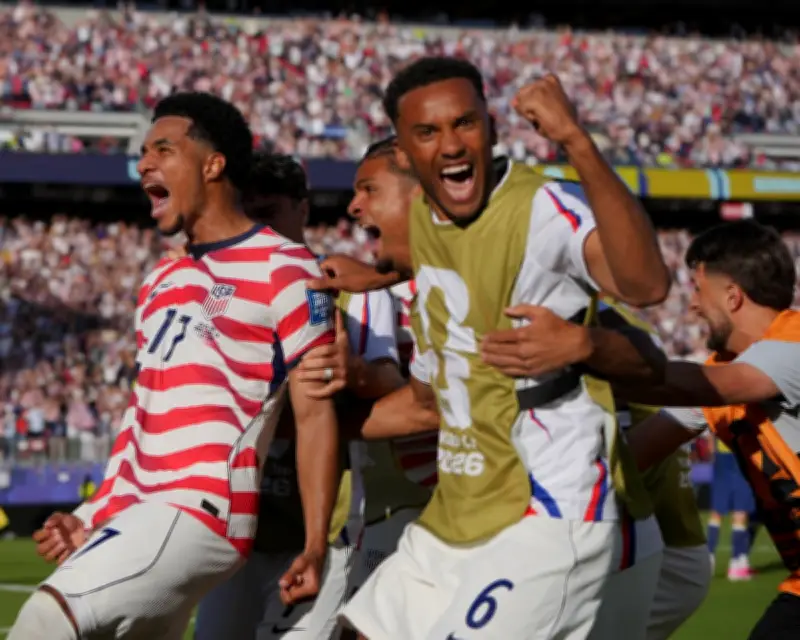
The US men's national team stands one win away from matching their best-ever modern World Cup run after defeating Bosnia and Herzegovina in the round of 32. Wednesday's victory showcased rare verve and quality, placing American soccer in the spotlight at home. For longtime fans, support is instinctive, but newcomers may hesitate due to broader discomfort with US national symbols.
Reluctance to Cheer: A Legitimate Struggle
Many Americans find it difficult to cheer for US teams given recent controversies. The US baseball team's embrace of military propaganda and the hockey team's cozying up to political power at the Olympics, while crises unfolded at home, have left a sour taste. Beyond sports, grievances over government actions—from ICE raids to foreign interventions—compound the hesitation. As Alexander Abnos writes, 'Whatever your real-life grievance is, I cannot in good conscience tell you to ignore your qualms.'
Global Parallels: Germany and Iran
This dilemma is not unique to the US. Germans struggled to celebrate their team's triumphs decades after World War II. In Iran, fans are deeply divided over Team Melli's ties to a repressive regime. Yet at Iran's matches, fans booed the national anthem and wore protest shirts, but erupted in joy when their team scored. Similarly, US fans can separate the team from the government.
Why This Team Deserves Support
The current US squad embodies diversity, with players from varied backgrounds honed by a coach who calls himself '200% Argentinian.' Their sacrifices—years of training to reach soccer's pinnacle—deserve recognition. Unlike many international teams, they share everyday American experiences, like Weston McKennie's love for ranch dressing. The team's identity is not tied to government actions.
Ultimately, the team is temporary; players and staff will change. What endures is the shared experience with fellow fans. The 2010 World Cup goal by Landon Donovan against Algeria remains vivid not for the play's details but for where fans were and who they were with—a moment of pure, unifying joy.
Joy Over Politics
As the US faces Belgium on Monday, the potential triumph offers a rare chance for collective happiness. Neighbors, co-workers, and strangers will share an emotional wave. As Abnos concludes, 'When joy is on the line, how could you?' Rejecting the team is a free choice, but these moments draw people closer, creating unity where none existed before.