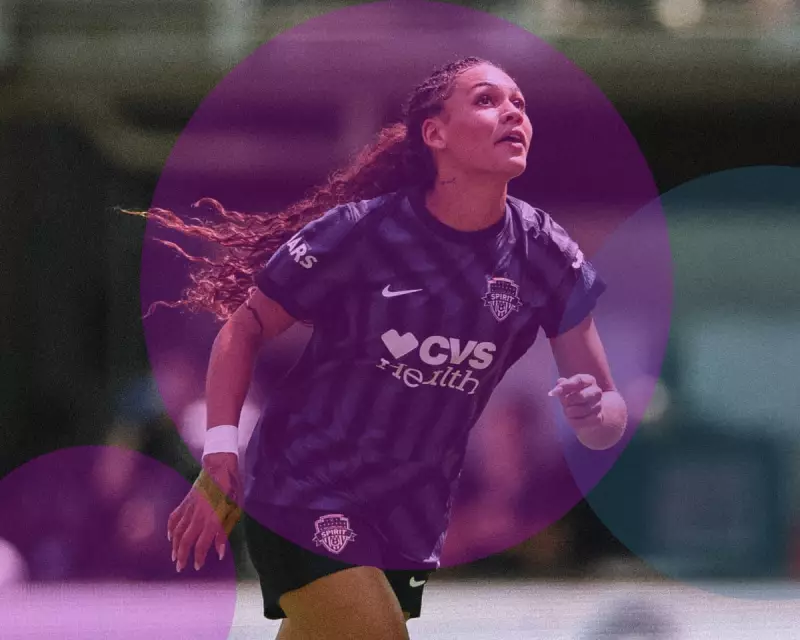
The future of US soccer star Trinity Rodman at Washington Spirit remains uncertain, but the speculation surrounding her next move has reignited a major debate within American football. The core question is whether the National Women's Soccer League can retain its top domestic talent in the face of increasing allure from European clubs.
The Transatlantic Talent Drain
The flow of US Women's National Team players to Europe has accelerated markedly in recent years. Since the Olympic gold medal win in Paris, key figures like defender Emily Fox (Arsenal), centre-back Naomi Girma (Chelsea), and winger Alyssa Thompson (Chelsea) have crossed the Atlantic. They joined US stars already abroad, including Catarina Macario and teenager Lily Yohannes.
Should Rodman leave, she would become the sixth starter from that Olympic final to be playing in Europe. This trend represents a significant shift from a decade ago, when the global landscape was less competitive and the NWSL was under direct US Soccer management.
The NWSL's Counter-Move: The HIP Rule
Alarmed by the potential loss of its most marketable players, the NWSL introduced the High Impact Player Rule, colloquially dubbed the "Rodman Rule." This mechanism aims to keep elite international talent by allowing clubs an extra $1 million beyond the standard salary cap to sign them. Players are identified based on criteria such as USWNT minutes and appearances on prestigious year-end lists.
However, the rule has faced immediate pushback. The NWSL Players Association has formally contested it, alleging violations of their collective bargaining agreement and federal labour law. The union argues that a better solution is simply to raise the league's overall salary cap.
USWNT coach Emma Hayes has stated she was not consulted on the rule's criteria and that it doesn't change her management approach, emphasising she supports players' individual career decisions.
Beyond Finances: The Quest for New Challenges
While financial incentives are powerful, the exodus isn't solely about money. For many players, the desire for new competitive challenges is a primary driver. Midfielder Sam Coffey, who joined Manchester City, echoed the sentiments of European stars who came to the NWSL, seeking growth in different footballing systems.
The unique experience of the UEFA Women's Champions League is a major draw. Emily Fox cited it as a key reason for her move to Arsenal, and she subsequently won the tournament in her first season. Coach Hayes values this high-level European experience as crucial preparation for the 2027 World Cup.
There are counter-currents offering some reassurance. The return of USWNT players like Lindsey Heaps to the NWSL demonstrates the league's enduring appeal. Furthermore, while the league fights to keep Rodman, her prolific former attacking partners Mallory Swanson and Sophia Wilson are due back from injury in 2026.
The immediate focus is on Trinity Rodman's decision. Whether the HIP Rule or a renegotiated salary cap can influence her and others remains unclear. In the long term, however, a period abroad for USWNT stars may not be catastrophic. It could even enhance the national team's dynamique, exposing players to diverse styles and pressures that could prove invaluable on the world stage.
In Other News
Arsenal Lead Revenue Rankings: In Deloitte's latest money league for women's football, Arsenal topped the list for the first time with total revenue of €25.6m (£22.2m). Notably, €7m of this came from matchday sales, highlighting the impact of bumper crowds at the Emirates Stadium. Chelsea placed second, leading in commercial revenue.
Rodman's USWNT Return: Amid the club speculation, Trinity Rodman has rejoined the USWNT camp in California for upcoming friendlies against Paraguay and Chile. This marks her first national team appearance since April 2025, following recovery from a back injury.