
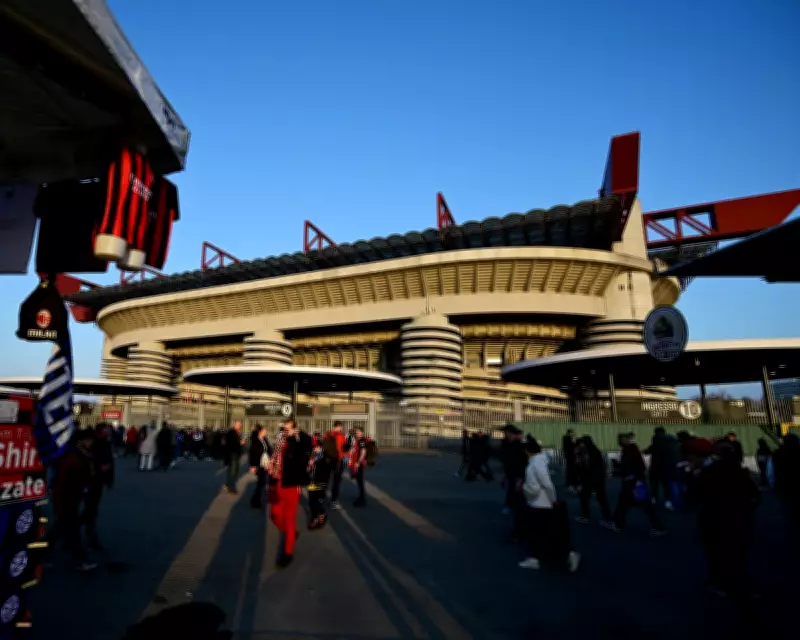
UEFA President Aleksander Ceferin has delivered a blunt and urgent warning to Italian football authorities, stating unequivocally that Italy risks losing its status as co-host for the UEFA European Championship in 2032. This high-stakes ultimatum comes amid growing concerns over the country's aging and inadequate stadium infrastructure, which Ceferin argues fails to meet modern standards for a major international tournament.
A Dire Warning from European Football's Top Official
In a recent statement that has sent shockwaves through Italian football, Ceferin emphasized that time is running out for Italy to demonstrate tangible progress. "Without significant and immediate action to upgrade and build new stadiums, Italy could be stripped of its co-hosting rights," Ceferin declared. He stressed that UEFA's requirements for hosting a tournament of Euro 2032's magnitude are non-negotiable, focusing on safety, capacity, accessibility, and fan experience.
The Critical State of Italian Stadiums
Italy, which is set to co-host Euro 2032 with Turkey, currently faces a stadium crisis. Many of its iconic venues, such as the Stadio Olimpico in Rome and San Siro in Milan, are historic but outdated, lacking the modern amenities expected for a premier European event. Issues include insufficient corporate facilities, poor accessibility for disabled fans, and subpar technological integration for broadcasting and security.
Ceferin highlighted that other nations have successfully modernized their stadiums, setting a benchmark that Italy must now meet. "We have seen countries like Germany and England invest heavily in infrastructure, and it pays off in tournament success and fan satisfaction," he noted. The warning serves as a wake-up call, urging Italian officials to accelerate plans that have often been delayed by bureaucratic hurdles and funding disputes.
Potential Consequences and Broader Implications
If Italy fails to act, UEFA could reassign the co-hosting duties to another country, potentially leaving Turkey to host alone or with a new partner. This would be a significant blow to Italy's football prestige and economy, as hosting a major tournament typically boosts tourism, creates jobs, and enhances national pride. Moreover, it could impact Italy's bid for future events, including the FIFA World Cup.
Italian football federation representatives have acknowledged the warning, pledging to work with government bodies and private investors to fast-track stadium projects. However, with less than eight years until Euro 2032, the clock is ticking, and Ceferin's message underscores that promises alone will not suffice—concrete results are imperative.
In summary, UEFA's stern admonition places immense pressure on Italy to overhaul its stadium landscape. The coming months will be crucial in determining whether Italy can secure its place as a Euro 2032 host or face the embarrassment of losing this prestigious opportunity.