UEFA Gives Green Light to FIFA's Ambitious Club World Cup Expansion
In a significant shift that signals thawing relations between football's top governing bodies, UEFA has announced its willingness to back FIFA's proposed expansion of the Club World Cup to 48 teams for the 2029 edition. This development comes after European football's governing body had previously opposed growth plans over concerns that an enlarged tournament could undermine the prestige of the Champions League.
A Strategic Compromise Between Football Powers
The agreement represents a carefully negotiated compromise between UEFA President Aleksander Ceferin and FIFA President Gianni Infantino. UEFA's support is contingent upon FIFA's commitment that the expanded Club World Cup will not become a biennial event, addressing one of European football's primary concerns about fixture congestion and competition integrity.
This diplomatic breakthrough follows years of tension between the organizations, which reached a low point in May when Ceferin led a group of European delegates, including Football Association chair Debbie Hewitt, in a dramatic walkout during a FIFA congress in Paraguay. The protest was sparked by Infantino's late arrival after a diplomatic tour of the Middle East that included meetings with Donald Trump and Mohammed bin Salman.
Financial Implications and Competitive Balance
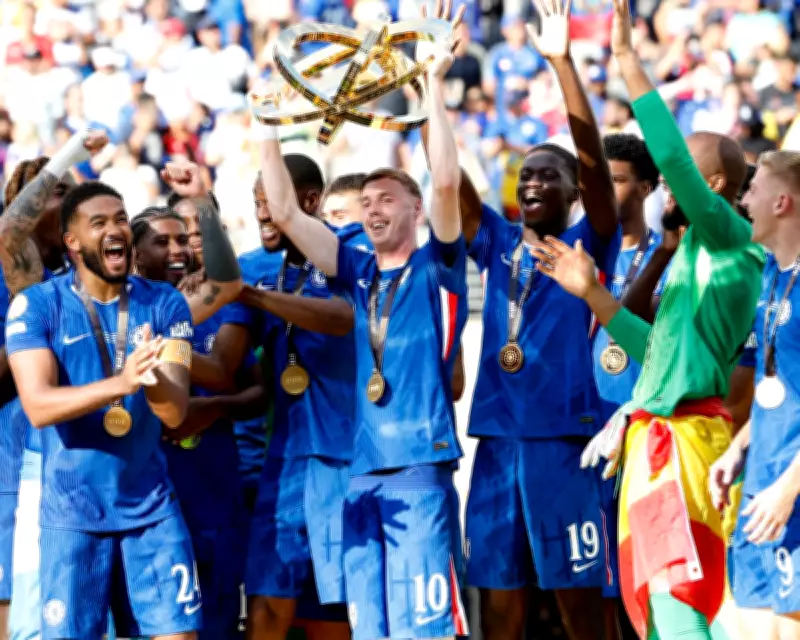
The expansion promises substantial financial rewards for participating clubs. Last year's tournament featured a massive £774 million prize pot, with champions Chelsea receiving £85 million for their victory. Under the new format, the number of UEFA qualifiers is expected to increase from 12 to 16 teams, potentially distributing these significant funds more broadly across European football.
However, some within UEFA remain concerned that the enormous financial incentives of an expanded Club World Cup could have destabilizing effects on European football's competitive landscape. The increased revenue streams might alter the financial dynamics between clubs and potentially impact the Champions League's status as European football's premier club competition.
Broader Football Politics at Play
The agreement occurs against a backdrop of shifting alliances in global football governance. Real Madrid recently ended their five-year legal battle with UEFA by formally withdrawing from the European Super League project, signaling a realignment with the establishment led by Infantino, Ceferin, and Paris Saint-Germain president Nasser al-Khelaifi, who chairs European Football Clubs.
FIFA had been exploring expansion options since before last summer's Club World Cup in the United States, initially considering growth from 32 teams to ensure participation from more elite European clubs after high-profile teams like Barcelona, Liverpool, and Manchester United failed to qualify for previous editions.
Remaining Challenges and Future Outlook
Despite UEFA's backing, significant obstacles remain. FIFA faces ongoing legal action from the European Leagues lobby group, which has brought concerns about the international match calendar—including decisions regarding the Club World Cup—before the European Commission.
With both Ceferin and Infantino likely to seek re-election for fourth terms next year, sources close to both leaders indicate that maintaining a period of calm serves their mutual interests. The improved relations could facilitate smoother cooperation on other football governance matters beyond the Club World Cup expansion.
Spain and Morocco are currently favored to host the expanded 2029 Club World Cup, which would serve as a precursor to their co-hosting of the 2030 World Cup. The summer tournament promises to be a landmark event in football's evolving calendar, potentially reshaping how global club competitions are structured and perceived for years to come.