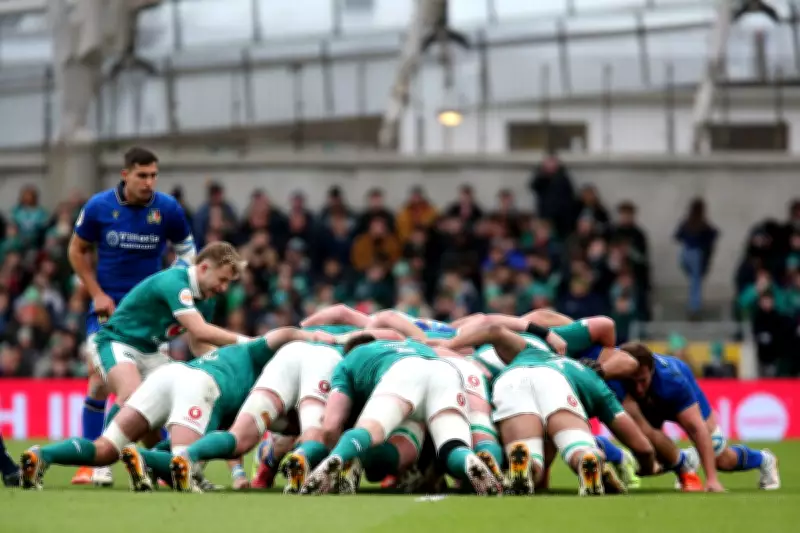
The 2026 Six Nations Championship has quietly introduced a significant innovation in sports broadcasting: in-game advertisements during scrum resets. While many Welsh rugby fans appreciated the brief twenty-second respites from their team's penalty struggles, these commercial interruptions represent more than just momentary breaks. They signal a fundamental shift in how major sporting events will be structured and monetized in the coming years.
The Six Nations Advertising Experiment
Major brands including Samsung and Virgin have purchased split-screen advertising spots that appear during the brief pauses before scrums are formed. These advertisements have been subtle enough to avoid widespread criticism, creating what appears to be a win-win situation for all parties involved. Broadcasters and tournament organizers gain additional revenue streams, television viewers don't miss any live action, and players receive brief moments of rest during intense matches.
However, this initial implementation likely represents just the beginning of a broader trend toward more disruptive in-game advertising. The current advertisements are essentially condensed versions of existing campaigns, but future iterations are expected to become more integrated with the sporting moment itself, potentially featuring players promoting products during natural breaks in play.
Football's Impending Transformation
The most significant development following this rugby experiment will occur in football, beginning with the 2026 FIFA World Cup. FIFA has already announced that "hydration breaks" will occur at the 22-minute mark in both halves of every match during the summer tournament. While justified by expected temperatures above 30°C in host nations the United States and Mexico, these pauses will serve a dual purpose.
Each hydration break will last three minutes, during which television viewers likely won't see players at all. Despite the official clock continuing to run, with three mandatory minutes added to the end of each half, these breaks effectively quarter the game. Across 104 World Cup matches, this creates 208 additional advertising opportunities totaling 624 minutes of commercial time for broadcasters who have paid substantial sums for broadcasting rights.
The Commercial Imperative
Major broadcasters including Sky, TNT, and Amazon, who collectively pay billions for English and European football rights, are unlikely to resist the financial appeal of in-match advertising opportunities. Football already experiences frequent interruptions through VAR reviews, extended injury assessments, and three substitution breaks per side. The sport's administrators are undoubtedly observing the Six Nations experiment closely, recognizing the commercial potential of structured breaks.
For rugby union itself, a sport facing significant financial challenges, embracing this commercialization and potentially adopting a quartered format could provide crucial revenue. With frequent stoppages and 16 substitutes typically entering matches around the 50-minute mark, rugby already possesses natural breaks that could accommodate commercial interruptions. The upcoming men's and women's World Cups in the United States in 2031 and 2033 respectively will likely accelerate this trend in a market accustomed to commercial breaks in sports.
The BBC Exception
British viewers enjoy some protection from this advertising trend through the BBC's public service broadcasting model. During the BBC's coverage of Wales versus France, no commercial breaks interrupted the match, just as England's World Cup group game against Ghana will remain advertisement-free. However, this exception may prove temporary as commercial pressures mount across the sports broadcasting landscape.
The introduction of in-game advertising during the Six Nations represents more than a minor broadcasting innovation. It establishes a precedent that will likely transform how football and other major sports are structured, broadcast, and commercialized in the coming decade, potentially leading to fundamental changes in game formats and viewing experiences worldwide.