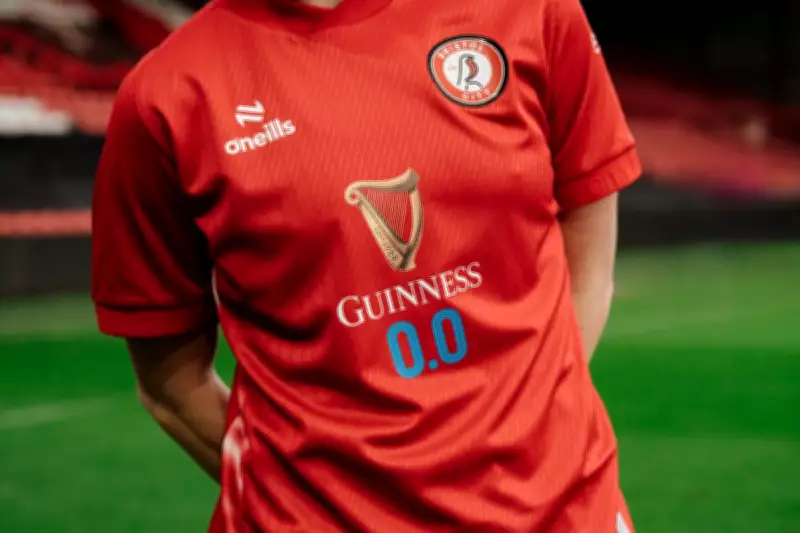
Guinness Bristol City Deal Signals New Era for Football Shirt Sponsorship
Guinness has made a landmark return to football shirt sponsorship after a four-decade absence, sparking industry-wide discussion about the future direction of front-of-shirt deals in English football. The iconic brewer last week revealed its Guinness 0.0 logo will appear on the shirts of Bristol City Women, marking its first shirt sponsorship in forty years.
The End of an Era for Betting Sponsorships
This development comes at a pivotal moment for Premier League clubs, with a self-imposed ban on betting brands creating significant upheaval in the sponsorship market. Currently, eleven top-flight clubs will need to find new partners for their most valuable piece of real estate – the front of their matchday shirts. For years, consumer brands have been largely absent from English football kits, replaced by airlines, insurance companies, and numerous obscure betting operators.
The impending exit of gambling companies represents a substantial shift, particularly as industry sources suggest betting firms typically pay a thirty to forty percent premium for shirt sponsorship rights. With prices potentially falling, many observers are questioning whether this will open the door for more familiar consumer brands to return to the beautiful game.
Women's Football Offers Compelling Alternative
Guinness's choice of Bristol City Women rather than a men's Premier League team provides fascinating insight into evolving sponsorship strategies. While the financial commitment is undoubtedly smaller than a top-tier men's deal, industry experts believe this decision reflects strategic thinking rather than mere cost-saving.
The women's game represents a rapidly growing market with an increasingly identifiable and brand-friendly audience. Sponsors gain greater scope for meaningful activation with players and clubs, creating more authentic partnerships. In recent months, other major brands including Mercedes-Benz and Apple have also signed Women's Super League deals, opting for innovative approaches over traditional Premier League arrangements.
Innovation Driving Future Sponsorship Models
As Premier League clubs seek new front-of-shirt partners, we can expect considerable innovation from both brands and football organizations. The days of simple "wallpaper" sponsorship deals appear numbered, with clubs likely to create comprehensive "bundle" partnerships that extend beyond shirt logos.
Future agreements may include wider commercial assets, greater player access, and – in our increasingly data-driven world – valuable fan insights. Spotify's groundbreaking partnership with Barcelona demonstrates what creative thinking can achieve in this space. Could streaming platforms, with their growing interest in sports content, sponsor clubs and feature different television shows on shirts each month?
Other possibilities include brands sponsoring multiple teams simultaneously, a tactic previously employed by Carling and NTL, or clubs securing separate sponsors for home and away kits. We may also see more global business-to-business brands entering Premier League sponsorship, using football's cultural relevance to enhance their corporate profiles.
Tottenham's Forward-Thinking Approach
Tottenham Hotspur offers a glimpse into potential future sponsorship models with their innovative twelve-year agreement with Sports Illustrated. The club has become an inaugural member of "The Collective," with three additional partners expected to join in bringing bespoke activations to the Tottenham Hotspur Stadium.
When Spurs' current shirt deal with AIA concludes in 2027, could these four brands potentially share sponsorship of the club's kits? This collaborative approach represents a significant departure from traditional single-sponsor arrangements.
The Persistent Presence of Gambling Brands
Despite the front-of-shirt ban, gambling companies will maintain a substantial presence in football sponsorship. They retain the ability to sponsor shirt sleeves and training kits, with industry analysts predicting these sponsorship packages could increase by approximately thirty to forty percent this summer as brands redirect their investment.
The Guinness Bristol City partnership serves as a bellwether for football's sponsorship evolution, signaling a potential return to more recognizable consumer brands while highlighting the growing importance of women's football and innovative partnership models in the sport's commercial landscape.