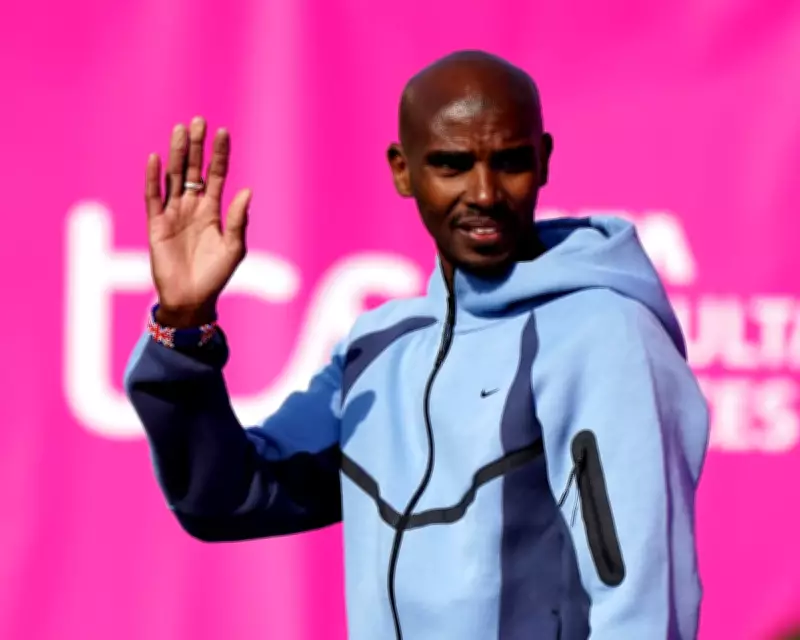
Olympic gold medalist Mo Farah has joined over 70 leading UK sporting organisations in opposing potential £120 million cuts to school sports in England. The athlete, who serves as the National School Sport Champion, expressed deep concern over government proposals that could reduce funding for physical education and sports in schools.
Background of the Proposed Cuts
The Guardian reported earlier this year that the Department of Health and Social Care intended to cut its entire £60 million contribution to school sports. Meanwhile, the Department for Education proposed an additional £60 million reduction, which ministers claimed would come from efficiencies in a new partnership model. Although ministers have since indicated a willingness to reconsider the level of cuts, uncertainty remains.
Sporting Bodies United in Opposition
The coalition of 76 organisations, including ParalympicsGB, British Rowing, Aquatics GB, British Cycling, the England and Wales Cricket Board, the Lawn Tennis Association, and British Gymnastics, voiced deep concern. In a letter coordinated by the Sport and Recreation Alliance, they warned that funding reductions would have a "hugely detrimental effect on children's health, wellbeing and opportunity." The letter emphasised that quality, inclusive PE and school sport are critical for children's health, academic success, and sense of belonging.
Mo Farah stated: "There is so much optimism across sport and education about the potential impact a new structure could have. We can't risk this huge opportunity to improve PE and school sport being wasted for short-term savings when in the long-term it will damage children's happiness and health."
Impact on Children's Health and Activity Levels
The proposed cuts come amid growing concerns about childhood inactivity, obesity, and health inequalities. Government figures reveal a significant decline in PE hours in secondary schools, down by nearly 4,000 hours, with the most considerable drop affecting 11-14-year-olds, who are also experiencing the fastest growth in obesity. Fewer than half of children meet the chief medical officer's activity guidelines.
Call for Clarity and Commitment
The sporting bodies urged the government to maintain existing funding levels, warning that the uncertainty is already hindering long-term planning for schools and sector organisations. Lisa Wainwright, chief executive of the Sport and Recreation Alliance, said: "At a time when children's physical and mental wellbeing must be a national priority, a reduction in funding for PE and school sport would be deeply counter-productive."
Education Secretary Bridget Phillipson plans to replace the sports premium with a PE and school sports partnership network from the next academic year, mandating two hours of weekly physical activity and building partnerships with schools and local sports clubs. However, the letter argues that this new model cannot succeed without adequate funding.
Government Response
A government spokesperson stated that no final decisions have been made on funding, adding: "This government is committed to break down barriers to opportunity, ensuring every child benefits from high-quality PE and sports education. By creating partnerships between schools, local clubs and sports experts, we will target funding and support where it is needed most." A funding decision is expected as soon as next week.