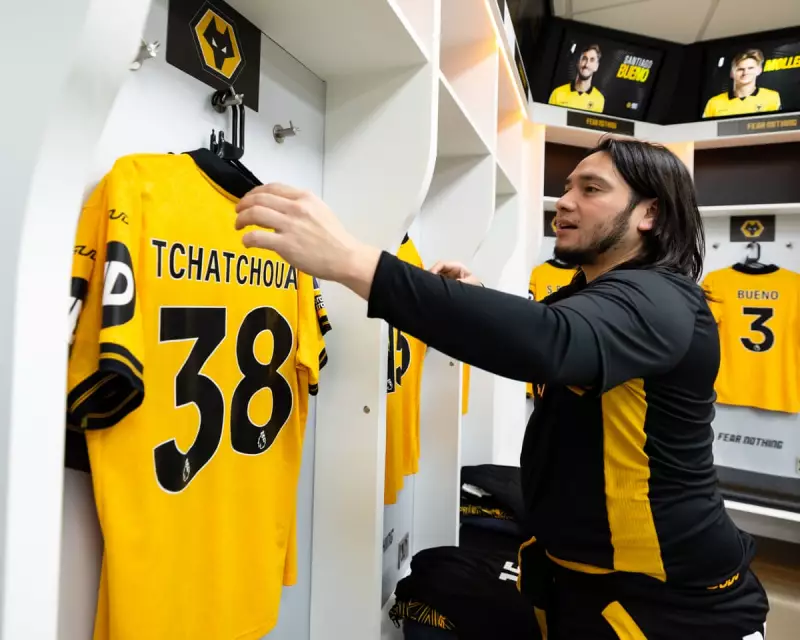
At the heart of Wolverhampton Wanderers' Sir Jack Hayward training complex, amidst the gleaming gold shirts and the hum of printing machines, Sean Ruiz has built more than just a kit room. He has cultivated a sanctuary. The head of kit, who joined the club in August after two decades in New York, leaves his office door perpetually open—a symbolic gesture that reflects his role as a confidant, organiser, and an integral part of the Wolves family.
More Than Just Shirts: The Kit Room as a Hub
Ruiz's domain contains no desk. Instead, it is a meticulously organised hub where every wall is shelved, every pigeonhole crammed with badges, lettering, and kit. Here, he works alongside assistant Barry Piper and part-timers Ian Round and Steve Hooper. Their remit stretches far beyond laundry. Ruiz estimates his team affixes approved badges, numbers, and names to over 50 shirts each week, a painstaking process done largely by eye and a trusted, unmeasured piece of card.
The role is deeply personal. Players, from first-team defender Yerson Mosquera to under-21s prospects, regularly seek him out. "These guys are like family to me," Ruiz reveals. "I'm lucky to get to see this side of them... We're not just players and staff here. It's something more." This bond is central to understanding the unseen mechanics of a top-flight club.
The Relentless Rhythm of Preparation
The kit team's week follows a strict cadence, designed to cope with the relentless pace of the Premier League. Tuesday is for preparation, Wednesday is when they "bang everything out," with Thursday and Friday reserved for tying up loose ends. Each player receives two match shirts, with a third printed as a precaution. Preferences are catalogued in Ruiz's memory: long sleeves versus short, baggy versus tight, and specific rules like under-18s not wearing gambling sponsor logos.
Matchdays begin six hours before kick-off at Molineux. Ruiz and Piper load an unmarked white van—deliberately unbranded to deter theft on away trips—with everything from shirts and boots to chewing gum, coffee, and a crucial small white tactics board. At the stadium, the dressing room is transformed into a personalised space for each player, with shirts hung in formation order per a new request from coach Rob Edwards.
Matchday Manoeuvres and Personal Rituals
As the stadium fills, individual routines emerge. Goalkeeper Sá's shirts are freshly printed, Sam Johnstone always requests an extra pair of socks, and striker Tolu Arokodare trusts only matchday assistant Harry Warren to steam his boots. "Matchdays are the best days," says Piper. "This is when it comes alive." For Ruiz, the game itself brings little respite, managing requests for trainers, bananas, and, most nerve-wracking, operating the substitution board—a skill he had to quickly master after a white lie about his experience.
His first test was a quadruple substitution against Manchester City. "You're in the service business," he says with a grin. "You've got to figure it out." After a rare victory, like the 3-0 win over West Ham mentioned, there's a brief camaraderie with the opposition's kit staff before the immediate return to the training ground to prepare for the next challenge, like an away trip to Everton.
Sean Ruiz stumbled into this career, helping his father Fernando at the MetroStars as a teenager before stepping up during his father's cancer diagnosis. That legacy of care and meticulous attention to detail now defines the environment at Wolves. It's a world of precise measurements, last-minute Premier League colour scheme approvals, and post-training boot cleans, all underpinned by a profound sense of belonging. For Ruiz and his team, success is measured not just in clean kits, but in the trust of the players who wear them.