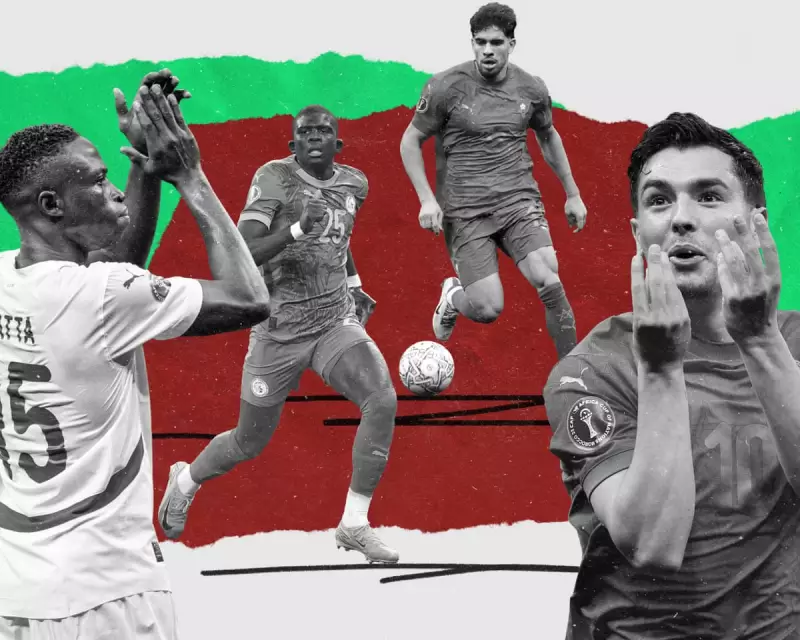
The 2025 Africa Cup of Nations culminates this weekend with a final that pits the tournament's two strongest teams against each other: the host nation and World Cup semi-finalists, Morocco, against the reigning champions, Senegal.
A Predictable Path to the Showpiece
Despite featuring numerous high-quality matches, this edition of the Afcon has been criticised for a lack of surprise. The better teams have consistently prevailed, leading to quarter-finals featuring the eight highest-ranked sides from the draw. While the semi-finals were tense, low-scoring affairs, the group stage lost much of its jeopardy early, with 16 qualifiers known with six matches still to play.
This predictability, partly attributed to excellent playing conditions and a format that sees two-thirds of third-placed teams advance, has created a tournament that risks being overshadowed by the looming 2026 World Cup. Its legacy may now hinge entirely on the drama of the final clash in Rabat.
The Rise of African Coaching Talent
A significant and positive trend has been the success of local managers. For the first time since 1965, all four semi-finalists were coached by Africans. Senegal's Pape Thiaw and Morocco's Walid Regragui continue this pattern, both leveraging experiences gained during playing careers in Europe to guide their national teams.
This final also highlights the modern composition of African squads, shaped by diaspora talent and recent FIFA rule changes on nationality switching. Only 14 of Morocco's 28-man squad were born in Morocco, with a similar story for Senegal. This underscores the impact of European youth academies, though Morocco's own investment, notably the Mohammed VI Academy, is also bearing fruit after their Under-20 World Cup win last year.
Key Battles and Absences Could Prove Decisive
On the pitch, Senegal will face a tactical challenge similar to their knockout matches against other North African sides. Morocco, while more adventurous than some, are likely to cede possession and attack on the counter. Senegal will be without captain Kalidou Koulibaly and midfielder Habib Diarra due to suspension, a major blow to their defence.
Morocco's threat comes from their dynamic wide players. The tournament's top scorer, Brahim Díaz, and the incisive Ez Abde will be crucial. Their duel with Senegal's full-backs, Krépin Diatta and El Hadji Malick Diouf, is widely tipped to be the game's decisive contest.
For Morocco, winning a second Afcon title 50 years after their first, as they position themselves as a continental hub ahead of co-hosting the 2030 World Cup, carries immense pressure. Senegal, meanwhile, aim to solidify their status as Africa's premier team with back-to-back trophies.
Ultimately, this final represents more than just a trophy. It is an opportunity to inject the unforgettable drama and intrigue that has been largely absent, ensuring this Cup of Nations is remembered for more than its polished organisation.