The 2025-26 Africa Cup of Nations concludes on Sunday, bringing the curtain down on what has been widely hailed as a vintage edition of the continent's premier football tournament. Staged in Morocco, the competition has delivered a compelling mix of late drama, iconic moments, and unforgettable characters, even as it faced the perennial challenge of being wedged into European football's busiest period.
A Tournament Packed with Drama and Storylines
While the group stage may have lacked seismic shocks, it was far from dull. Late twists, spectacular goals, and compelling narratives were the order of the day. Cameroon's campaign was overshadowed by a pre-tournament power struggle that saw two different coaches name squads. Gabon's early exit led to their national team being temporarily disbanded by the government, a decision quietly reversed this week.
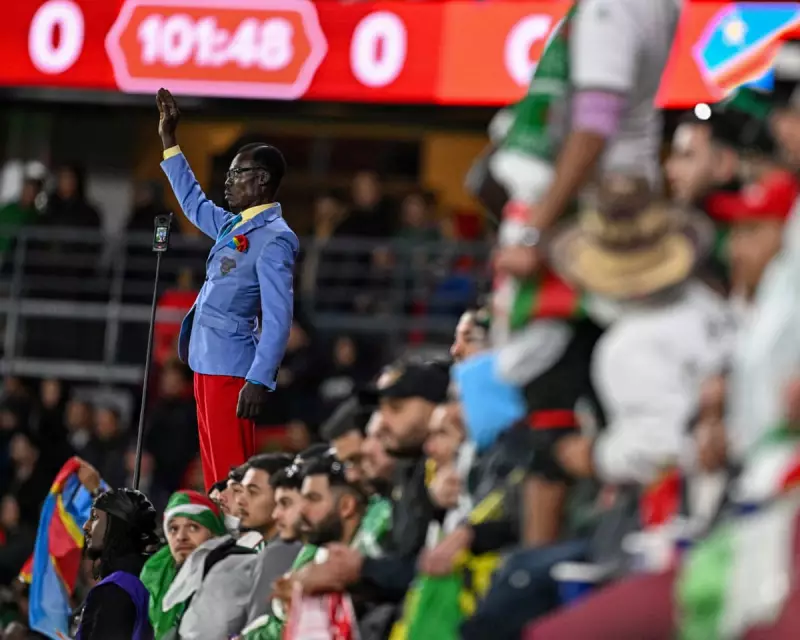
Nations like Sudan and Mozambique provided rays of hope for their supporters with historic victories. The tournament also introduced the world to Michel Kuka Mboladinga, the immaculately dressed and statuesque DR Congo fan whose dignified presence became a social media sensation, with many hoping to see him at next summer's Geopolitics World Cup.
Knockout Stages Elevate the Excitement
The intensity ratcheted up significantly in the knockout rounds, where star players rose to the occasion. Brahim Díaz guided hosts Morocco through a scare against Tanzania, while the attacking prowess of Victor Osimhen and Ademola Lookman made Nigeria look formidable. Mohamed Salah inspired Egypt past both outsiders Benin and the defending champions, Côte d'Ivoire.
One of the tournament's most dramatic moments came when Algeria's Adil Boulbina scored a stunning 119th-minute winner to eliminate DR Congo, collapsing in celebration right in front of the unflappable Mboladinga. In the semi-finals, Sadio Mané's instinctive late strike settled a cagey affair against Egypt, sparing everyone extra time.
The other semi-final saw Morocco, burdened by home expectation, labour against a Nigeria side that lost its attacking spark. The match was decided by penalties, where Morocco's superior quality in goal proved decisive as Yassine Bounou saved two spot-kicks. Nigeria's cautious approach was punished with a consolatory place in Saturday's third-place playoff.
A Final for the Ages and a Baffling Decision
Sunday's final pits Africa's two highest-ranked teams against each other. Morocco seeks its first continental title since 1976, carrying the weight of a nation's hope. Senegal, the 2021 champions, aim to add another crown. It is a classic clash: the tournament's best attack versus its strongest defence.
History suggests a tight encounter. In the 21st century, no team has won an Afcon final by more than a single goal, with six of the last 13 deciders going to penalties. This heritage of drama sets the stage for a fitting finale.
All of which makes the Confederation of African Football's (Caf) recent announcement seem perplexing. On the eve of this superb tournament, Caf declared that from 2028, the Africa Cup of Nations will shift from a biennial to a four-year cycle. The decision has been met with disappointment and criticism, with several federations alleging they were not consulted.
An anonymous official told reporters, "We're killing ourselves. If there had been a general assembly, it would never have passed." The move is understood to have been pushed by Fifa president Gianni Infantino, despite his previous calls for more, not fewer, competitions to develop football globally. How reducing the frequency of one of the world's most vibrant international tournaments aligns with that goal remains unclear.
As Morocco and Senegal prepare for their historic showdown, the decision casts a shadow, leaving fans and officials alike wondering why a successful formula is being changed just as it has produced another unforgettable chapter in African football history.